
Advertisements
The $500 Designer Bag Dupe Challenge is a social media phenomenon where participants compare luxury designer bags priced at hundreds or thousands of dollars against more affordable alternatives costing under $100, testing whether observers can identify which bag is the authentic piece.
Imagine spending $2,000 on a handbag only to discover that a $50 version looks virtually identical. This scenario has sparked one of the most engaging fashion debates on social media today. The $500 Designer Bag Dupe Challenge has taken Instagram, TikTok, and fashion forums by storm, forcing us to question what really determines value in luxury accessories. Can you tell the difference between a genuine designer piece and its budget-friendly twin? The answer might surprise you.
What Is the $500 Designer Bag Dupe Challenge?
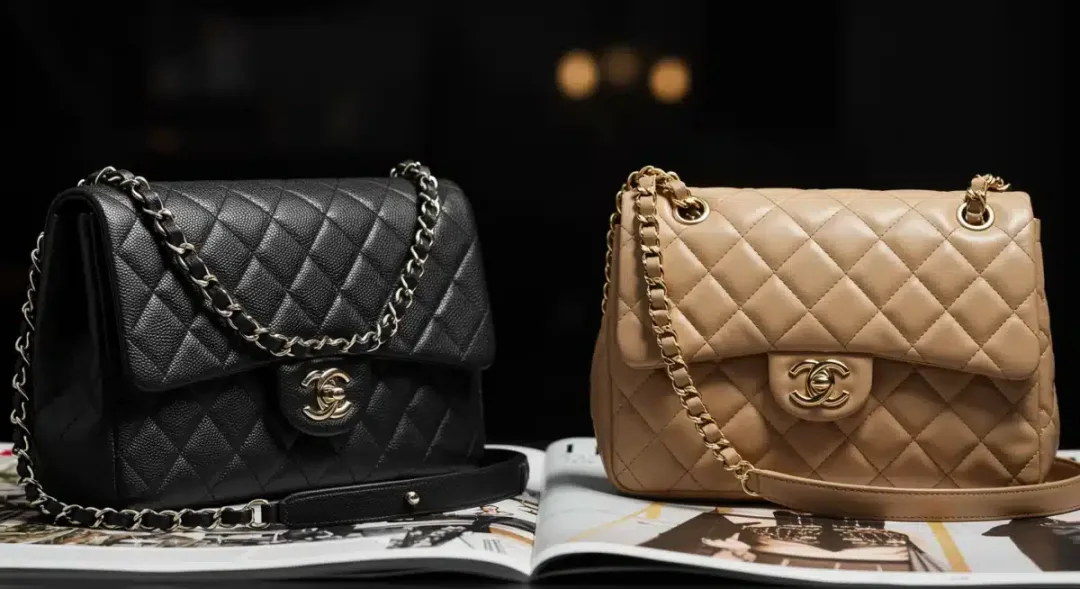
The challenge originated from growing frustration among fashion-conscious consumers who noticed striking similarities between high-end designer bags and more affordable alternatives flooding the market. Content creators began purchasing both the authentic luxury version and a dupe, then presenting them side by side to friends, family, and followers without revealing which was which. The goal was simple: determine if the average person could distinguish between a $2,000 bag and a $50 alternative.
Anúncios
The challenge gained momentum quickly because it tapped into a universal question that plagues fashion enthusiasts. Is the premium we pay for designer goods justified by superior quality, or are we simply paying for a logo? Participants ranging from fashion novices to industry insiders have taken part, and the results have been remarkably consistent. Most people struggle to identify the authentic piece when presented with high-quality dupes.

The Rise of Dupes in Fashion Culture
The concept of fashion dupes is nothing new, but the sophistication of modern alternatives has reached unprecedented levels. Where once dupes were easily spotted by poor stitching and cheap materials, today’s best alternatives often use comparable leathers, similar hardware, and nearly identical silhouettes. This evolution has made the distinction between authentic and dupe increasingly difficult to determine.
- Social media platforms have amplified awareness of dupes
- Consumer interest in value-driven shopping has increased
- Quality of non-luxury brands has improved significantly
- Transparency about manufacturing has grown
The challenge format works because it removes the context of brand names and price tags, forcing participants to evaluate products purely on their visual and tactile merits. Without these cues, many discover that their ability to authenticate luxury goods is far less reliable than they believed.
Anúncios
How the Challenge Works
Participating in the challenge is straightforward, though executing it properly requires attention to detail. The creator purchases both the authentic designer bag and the dupe version, ensuring they select similar colors and styles. Both bags are then photographed and presented to test subjects without any identifying information. The participant must guess which bag is the authentic designer piece and explain their reasoning.
The most compelling challenge videos go beyond simple guessing games. Creators often include detailed breakdowns of specific features: leather quality, hardware weight, stitching precision, zipper smoothness, and interior lining. These elements combine to form the overall impression of quality that distinguishes luxury goods. Yet when these details are isolated, many participants find their assumptions challenged.
Key Elements Testers Examine
Participants in the challenge typically focus on several visual and tactile indicators when attempting to identify the authentic bag. Leather texture and grain patterns often top the list, as luxury houses are known for using premium hides with distinctive characteristics. Hardware weight and finish also receive significant attention, with many assuming that heavier, more substantial hardware indicates authenticity.
- Leather quality and natural markings
- Hardware weight and engraving detail
- Stitching count and consistency
- Interior lining and logo placement
- Packaging and authenticity cards
What makes the challenge so revealing is that many of these assumptions prove incorrect when tested. High-quality dupes often feature surprisingly comparable materials, and the differences that do exist require expert knowledge to identify reliably. This realization has led many participants to reconsider the premium they pay for designer goods.
Top Designer Bags and Their Best Dupes
Certain designer bags have become iconic targets for the dupe challenge, largely because their distinctive designs are easily replicated and widely recognized. The challenge has focused particular attention on these recognizable styles, where the visual impact of the dupe is most striking.
The Louis Vuitton Neverfull exemplifies this phenomenon perfectly. This ubiquitous tote, with its signature monogram canvas and leather trim, has inspired countless alternatives ranging from nearly identical replicas to more loosely inspired interpretations. The authentic version commands prices exceeding $2,000, while dupes can be found for as little as $30 to $150. In blind tests, participants consistently struggle to distinguish between the two, often guessing incorrectly based on flawed assumptions about material quality.
Similarly, the Gucci Marmont matelassé bag has become a frequent challenge subject. Its distinctive chevron quilting and heart-shaped hardware are immediately recognizable, making it an ideal candidate for comparison testing. The authentic bag’s soft leather and antique gold hardware create a luxurious impression, but dupes using quality alternatives often achieve a remarkably similar aesthetic at a fraction of the cost.
Most Challenged Designer Bag Styles
Several bag styles have emerged as particularly popular subjects for the dupe challenge, generating viral content and sparking heated debates in fashion communities. Understanding which bags generate the most interest helps explain the challenge’s cultural significance.
- Louis Vuitton Neverfull and Speedy
- Gucci Marmont and Dionysus
- YSL Niki and Sac de Jour
- Celine Luggage Tote
- Balenciaga City and Motorcycle
The consistency of results across different bag styles suggests a broader pattern in how consumers perceive luxury goods. When the visual differences between $2,000 and $50 bags prove negligible in blind testing, the psychological foundations of luxury pricing come into question.
Quality Comparison: Real vs. Dupe
While visual similarities can be striking, the true test of quality involves long-term use and durability. This aspect of the comparison reveals where the most significant differences between authentic and dupe bags actually lie, even when initial impressions are nearly identical.
Authentic designer bags typically undergo rigorous quality control and use premium materials selected for durability alongside aesthetics. The leather in genuine luxury bags is chosen for its ability to age gracefully, developing a patina that enhances its character over time. Hardware is often solid brass or gold-plated, designed to resist tarnishing through years of use. Construction techniques prioritize longevity, with reinforced seams and attention to load-bearing areas.
Dupe manufacturers, working with smaller budgets, must make compromises. While some high-quality alternatives use decent materials, they rarely match the premium hides and hardware of authentic pieces. Stitching may be less precise, with slightly wider intervals or occasional inconsistencies. Zippers and closures, while functional, may not withstand the same frequency of use as their luxury counterparts. These differences become more apparent after months of regular use, where the authentic bag maintains its structure while the dupe shows signs of wear.
Long-Term Durability Factors
The durability comparison extends beyond initial construction to encompass how each bag ages and performs over time. Several factors contribute to the long-term value proposition that often gets overlooked in initial visual comparisons.
- Leather aging and patina development
- Hardware resistance to scratches and tarnishing
- Structural integrity after repeated use
- Resale value and brand retention
- Warranty and repair options
For some consumers, the ability to resell an authentic bag for a significant portion of its original price justifies the premium. Designer bags from established houses often retain 40-60% of their retail value, while dupes have essentially no resale market. This economic consideration adds another dimension to the value calculation that goes beyond initial purchase price.
Where to Find High-Quality Dupes
The market for bag alternatives has matured significantly, offering consumers various options across different quality tiers and price points. Understanding where to shop and what to expect helps consumers make informed decisions about whether to pursue authentic or alternative options.
Online marketplaces like Amazon, AliExpress, and Shein offer the most affordable alternatives, with prices often falling below $50. These options typically feature lower-quality materials and construction, serving as true budget alternatives rather than close replicas. Mid-range alternatives from brands like Staud, Mansur Gavriel, and Cult Gaia offer better quality with original designs that draw inspiration from luxury aesthetics without direct imitation.
For those seeking the closest visual match to specific designer styles, specialized retailers and dropshipping operations offer higher-quality alternatives targeting $100-200 price points. These options often feature improved materials and more precise construction, making them nearly indistinguishable from authentic pieces at first glance. However, buyers should exercise caution regarding intellectual property concerns and the ethical implications of purchasing items that closely imitate protected designs.
Quality Tiers in the Dupe Market
The dupe market has developed distinct quality tiers that cater to different consumer needs and budgets. Understanding these tiers helps set appropriate expectations when shopping for alternatives.
- Budget tier ($20-50): Basic materials, noticeable differences
- Mid-tier ($50-150): Improved quality, closer appearance
- Premium dupes ($150-300): High-quality materials, near-identical look
- Luxury alternatives ($300-500): Premium construction, subtle differences only
Regardless of tier, consumers should research seller reputations, read reviews carefully, and understand return policies before purchasing. The gap between marketing photos and actual products can be significant, particularly at lower price points.
The Ethics of Buying Designer Dupes
The rise of dupes has generated meaningful debate about intellectual property, labor practices, and the economics of fashion. These considerations add complexity to what might otherwise seem like a straightforward consumer choice between value and brand prestige.
From an intellectual property perspective, direct replicas raise legitimate concerns about counterfeiting and design theft. Luxury houses invest significantly in research, development, and marketing to create distinctive products that deserve legal protection. Purchasing knowingly counterfeit goods supports these illegal operations, which often involve exploitative labor practices and fund broader criminal enterprises. However, alternatives that draw inspiration from luxury aesthetics without direct imitation occupy a more nuanced position in this debate.
Consumer motivations for choosing dupes vary widely and deserve understanding rather than judgment. Some buyers simply cannot afford luxury prices but want similar aesthetics. Others object to what they perceive as excessive pricing for goods that cost significantly less to produce. Still others see no moral issue with choosing functionally equivalent products at lower prices. These perspectives each carry validity, though they lead to different conclusions about purchasing decisions.
Perspectives on Fashion Ethics
Navigating the ethics of fashion purchasing requires considering multiple stakeholder perspectives, each with legitimate concerns that deserve consideration. The complexity of global supply chains and manufacturing makes absolute ethical certainty difficult to achieve.
- Designer brands: Intellectual property investment and innovation
- Consumers: Value optimization and personal expression
- Workers: Fair wages and safe conditions across all tiers
- Environment: Sustainable materials and production practices
- Society: Cultural attitudes toward consumption and status
Ultimately, each consumer must navigate these considerations according to their own values and circumstances. The dupe challenge, while entertaining, opens doors to deeper conversations about what we value in fashion and why we make the purchasing decisions we do.
Verdict: Is the Challenge Worth Your Attention?
After examining the evidence from countless challenge videos and quality comparisons, several conclusions emerge clearly. Most people genuinely cannot distinguish between authentic designer bags and high-quality dupes when contextual cues are removed. This finding challenges assumptions about the visibility of luxury quality while acknowledging that invisible differences often exist in materials and construction.
The value proposition of designer bags extends beyond physical product attributes to encompass brand heritage, social signaling, and psychological satisfaction. For some consumers, these intangible benefits justify significant premium prices. For others, the practical similarities between authentic and alternative options make the lower price point the obvious choice. Neither perspective is inherently correct; they reflect different values and circumstances.
Making Your Own Determination
The dupe challenge invites individual participation rather than passive acceptance of others’ conclusions. By experiencing the difficulty of distinguishing between authentic and alternative bags firsthand, consumers gain valuable perspective on their own purchasing priorities and the assumptions they bring to luxury goods evaluation.
- Try the challenge with friends and family
- Visit retail stores to examine authentic pieces
- Consider long-term value versus initial cost
- Reflect on what aspects of luxury matter most to you
Whether you ultimately choose authentic or alternative options, the knowledge gained from engaging with this challenge will make you a more thoughtful consumer. The ability to look beyond brand names and price tags to evaluate products on their actual merits serves anyone interested in making intelligent purchasing decisions.
| Key Point | Brief Description |
|---|---|
| Visual Similarity | Most participants cannot reliably distinguish between authentic designer bags and high-quality dupes in blind tests. |
| Quality Differences | While visually similar, authentic bags typically use superior materials and construction that improve long-term durability. |
| Value Considerations | Designer bags retain resale value while dupes offer immediate savings but no long-term value retention. |
| Ethical Factors | Purchasing decisions involve intellectual property considerations, labor practices, and personal values regarding consumption. |
Frequently Asked Questions
Can you really tell the difference between designer bags and dupes?▼In most cases, no. When contextual cues like brand labels and price tags are removed, the average person struggles to distinguish between authentic designer bags and high-quality dupes. Visual similarities can be remarkably close, though differences in materials and construction often become apparent with extended use and expert examination.
Are designer bag dupes worth buying?▼This depends on your priorities. If you value the visual aesthetics and intend to use the bag for a limited time, high-quality dupes offer excellent value. However, if durability, long-term value retention, and ethical sourcing matter to you, investing in an authentic piece may prove more worthwhile despite the higher initial cost.
Where can I find the best designer bag dupes?▼Quality varies significantly across retailers. Amazon and AliExpress offer budget options under $50, while specialty dupe retailers often charge $150-300 for higher quality. Mid-range brands like Staud and Mansur Gavriel provide original designs inspired by luxury aesthetics at moderate prices. Always research seller reviews and return policies before purchasing.
Is it ethical to buy designer bag dupes?▼The ethics depend on your perspective and the type of dupe. Directly counterfeiting branded goods involves intellectual property concerns and often supports exploitative labor practices. However, buying inspired designs that mimic luxury aesthetics without using protected trademarks occupies a more ethically ambiguous position that each consumer must navigate according to their own values.
Do designer bags last longer than dupes?▼Generally, yes. Authentic designer bags typically use premium materials and construction techniques designed for longevity. They age better, with leather developing desirable patinas, and often maintain structural integrity through years of use. Dupes, particularly at lower price points, may show significant wear within months, though premium alternatives can offer reasonable durability.
Conclusion
The $500 Designer Bag Dupe Challenge reveals much about our assumptions regarding luxury goods and value. While high-quality dupes can appear nearly identical to their designer counterparts in visual comparisons, differences in materials, construction, and long-term durability often justify the premium pricing of authentic pieces. Ultimately, the choice between authentic and alternative bags reflects individual values around quality, ethics, and the meaning we attach to brand names. Whether you choose to participate in the challenge for entertainment or as a serious shopping strategy, understanding these dynamics makes you a more informed consumer in the complex world of fashion purchasing.