
Advertisements
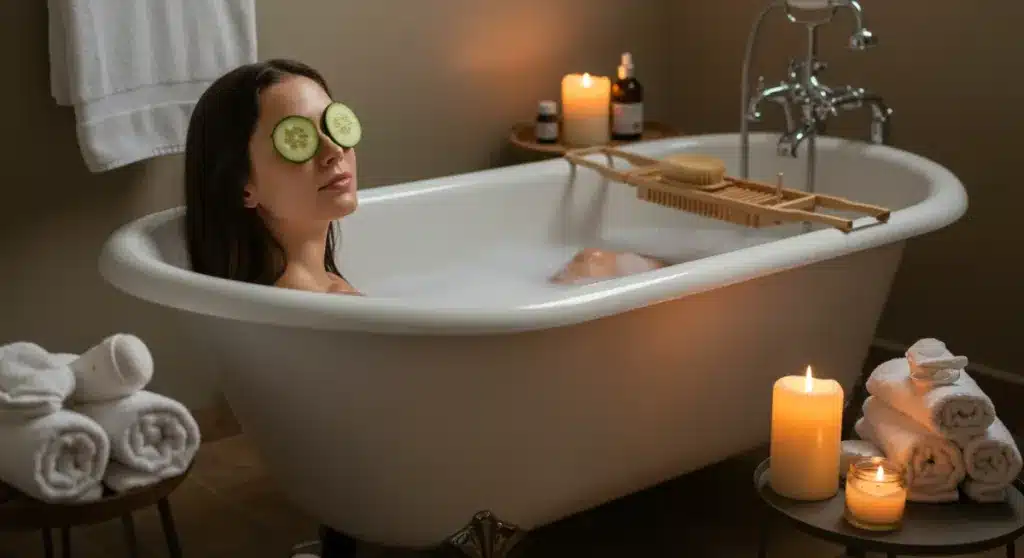
DIY spa day techniques transform your bathroom into a luxury retreat, delivering professional-quality facial results with budget-friendly products totaling under $30.
Anúncios
There is something undeniably appealing about walking out of a high-end spa with glowing, refreshed skin. The problem is that those experiences often come with price tags ranging from $150 to $300 or more. What if you could achieve similar results without leaving your home or spending a fortune? A well-planned DIY Spa Day gives you control over every ingredient, every step, and every moment of relaxation. The best part: you can recreate the core elements of a professional facial for a fraction of the cost.
Why At-Home Facials Work
The logic behind an effective facial is surprisingly straightforward. Professional estheticians follow a sequence designed to cleanse, exfoliate, extract, nourish, and protect the skin. Understanding this framework allows you to replicate the experience using products available at your local drugstore or online retailers.
Anúncios
What distinguishes a professional facial from simple skincare is the methodical approach. Estheticians use steam to open pores, specific extractions to clear congestion, and targeted masks to address individual skin concerns. While you may not have access to professional-grade equipment, you can approximate these effects with accessible tools and ingredients.
The Science Behind the Steps
Each step in a facial serves a distinct purpose. Cleansing removes surface debris and excess oil. Exfoliation sweeps away dead skin cells that otherwise cause dullness and clogged pores. Extraction, when done carefully, clears trapped debris. Masking delivers concentrated ingredients, and moisturizing locks everything in.
- Cleansing prepares the skin by removing barriers to product absorption
- Steam softens sebum, making extraction easier and safer
- Exfoliation reveals fresh, new skin cells underneath
- Masks deliver active ingredients directly where they are needed
- Moisture locks in benefits and strengthens the skin barrier
When you understand why each step matters, you can make smarter choices about which products to use and how to time your treatment for maximum benefit.
Building Your Spa Kit for Under $30
Creating an effective spa kit does not require expensive designer products. The key is selecting multi-purpose items that work together harmoniously. Many effective ingredients cost just a few dollars and perform as well as their luxury counterparts.
Start with a gentle cleanser suited to your skin type. For most skin types, a cream or gel cleanser in the $6-10 range works well. Look for formulas without harsh sulfates, which can strip the skin and cause irritation. If you have oily skin, a salicylic acid cleanser helps penetrate pores. For dry or sensitive skin, look for ceramides or hyaluronic acid.
Essential Products to Stock
The following items form the foundation of an effective at-home facial. Prices vary by brand, but you can find quality options at most retailers.
- Gentle cleanser: $6-10
- Exfoliating scrub or chemical exfoliant: $5-8
- Face mask (clay, hydrating, or enzyme-based): $6-12
- Moisturizer with SPF: $8-15
- Jojoba oil or rosehip seed oil: $6-10
Total cost typically falls between $25-35 when you choose mid-range products. Shopping sales or using coupons can bring this even lower. The investment pays for itself after just one use compared to professional pricing.
Beyond these basics, consider adding a few extras. A soft washcloth for gentle removal, cotton pads for toning, and a clean towel for steaming all enhance the experience without adding significant cost.
The Step-by-Step Facial Process
Setting the right atmosphere matters as much as the products you use. Before beginning your facial, create a relaxing environment. Dim the lights, play soft music, and ensure you will not be interrupted for at least 45 minutes. This mental preparation transforms the routine into a true retreat.
Begin with clean hands and a clean face. Remove any makeup using micellar water or your regular cleanser. Double cleansing ensures all surface debris is gone before you move to deeper steps.
Step One: Cleansing and Steam
Apply your cleanser using gentle circular motions, working from the center of your face outward. Spend about 60 seconds massaging the product into your skin. This massage stimulates circulation and helps loosen embedded debris.
To create steam at home, fill a bowl with hot water and lean over it with a towel draped over your head. Keep your face about 12 inches from the water to avoid burns. The steam softens pores and prepares the skin for extraction. Stay under the steam for 3-5 minutes, taking deep breaths to enhance relaxation.
Step Two: Exfoliation
After steaming, your skin is primed for exfoliation. Choose between mechanical exfoliation (a scrub with small particles) or chemical exfoliation (AHAs or BHAs). If you have sensitive skin, chemical exfoliation tends to be gentler.
Apply your chosen exfoliant according to product instructions. Most require 30 seconds to two minutes of dwell time. Rinse thoroughly with lukewarm water. This step reveals the fresh, glowing skin beneath the surface layer.
Step Three: Extraction
Extraction is the step where caution matters most. After steaming, blackheads and whiteheads are closer to the surface. However, forcing stubborn blemishes can cause inflammation and scarring.
Use clean cotton swabs or extraction tools specifically designed for this purpose. Apply gentle, even pressure around the blemish. If it does not come out easily, leave it for another day. Focus on obvious blackheads rather than attempting to extract every imperfection.
Step Four: Masking
Masks deliver concentrated treatment to address your specific concerns. Clay masks draw out excess oil and impurities, making them ideal for oily or congested skin. Hydrating masks with hyaluronic acid or aloe vera suit dry or dehydrated skin.
Apply the mask evenly across your face, avoiding the eye and lip areas. Leave it on for the recommended time, typically 10-20 minutes. While waiting, close your eyes and focus on deep breathing. This pause is part of what makes spa treatments so restorative.
Adding Luxury Without Extra Cost
The sensory experience of a spa goes beyond effective skincare. It encompasses atmosphere, touch, and ritual. You can elevate your DIY facial with simple additions that create a premium feel.
Texture plays a significant role. Instead of using your fingers for everything, invest in a few soft applicators. A soft fan brush for masks and a silk eye pillow for the eye treatment area add touches of luxury. These items often cost less than $5 but significantly enhance the experience.
Natural Add-Ons
Kitchen ingredients often work beautifully as spa additions. Honey serves as a gentle, moisturizing mask on its own or mixed with other ingredients. Plain Greek yogurt provides lactic acid for gentle exfoliation and hydration. Fresh cucumber slices soothe the eye area and reduce puffiness.
- Honey: antimicrobial, moisturizing, soothing
- Greek yogurt: lactic acid, probiotics, creamy texture
- Cucumber: cooling, anti-inflammatory, refreshing
- Avocado: healthy fats, vitamins E and C, deep hydration
- Oatmeal: soothing, gentle exfoliation, calming redness
These ingredients are not replacements for your core products, but they work well as enhancements or quick treatments between full facials.
Common Mistakes to Avoid
Even with the best intentions, certain habits undermine at-home facial results. Recognizing these pitfalls helps you achieve the glowing skin you want.
Over-exfoliation ranks among the most common errors. It is tempting to scrub aggressively or use strong acids frequently, especially when you want immediate results. However, this approach damages the skin barrier, causing redness, sensitivity, and eventually more breakouts. Stick to exfoliation once or twice weekly maximum.
Skipping moisturizer after treatment is another frequent mistake. After deep cleansing and exfoliation, your skin needs hydration to restore its protective barrier. Even oily skin benefits from lightweight, non-comedogenic moisturizers.
Timing and Temperature
Using water that is too hot damages skin capillaries and strips away natural oils. Lukewarm water is ideal for cleansing and rinsing. When steaming, test the vapor on your forearm before leaning your face over the bowl.
Timing matters too. Leaving masks on longer than recommended does not increase benefits and may cause irritation. Set a timer rather than guessing. The same applies to exfoliation products; longer is not better.
Maintaining Your Results
The glow from a professional facial typically lasts 5-7 days. With proper maintenance, you can extend these results and keep your skin looking its best between treatments.
Consistency in your daily skincare routine determines long-term results. The facial is a boost, but daily cleansing, moisturizing, and sun protection maintain the benefits. Even on days when you skip makeup and heavy products, these fundamentals matter.
Frequency Recommendations
How often should you perform an at-home facial? This depends on your skin type and the products you use. For most people, once every two weeks provides sufficient treatment without overwhelming the skin. Those with resilient, oily skin might benefit from weekly treatments, while sensitive or dry skin types may prefer monthly sessions.
- Oily skin: weekly to bi-weekly
- Combination skin: bi-weekly
- Dry or sensitive skin: monthly
- Acne-prone skin: consult a dermatologist first
Track how your skin responds and adjust accordingly. The goal is consistent improvement, not aggressive treatment that leaves your skin overwhelmed.
When to See a Professional
At-home facials work beautifully for maintenance and minor concerns. However, certain situations call for professional intervention. Understanding these boundaries protects your skin from potential harm.
Cystic acne, persistent hormonal breakouts, and skin conditions like rosacea or eczema may require prescription treatments or professional-grade procedures. Attempting aggressive extraction on deep, painful cysts often leads to scarring and spread of bacteria.
If you notice unusual growths, persistent redness, or sudden changes in moles or spots, schedule a dermatologist appointment promptly. These changes warrant professional evaluation regardless of your home care routine.
The ideal approach combines professional treatments several times yearly with consistent at-home care. This partnership delivers the best long-term results for your skin.
| Key Point | Brief Description |
|---|---|
| Essential Products | Cleanser, exfoliant, mask, moisturizer, and face oil totaling under $30 |
| Core Steps | Cleanse, steam, exfoliate, extract, mask, and moisturize in sequence |
| Frequency | Every 1-2 weeks depending on skin type and sensitivity |
| Professional Care | See a dermatologist for cystic acne, persistent conditions, or unusual skin changes |
Frequently Asked Questions About DIY Facials
Yes, but choose gentle products and skip aggressive exfoliation. Opt for mild cleansers, avoid harsh scrubs, and limit steam time to 2-3 minutes. Patch test new products before applying them to your entire face. If irritation occurs, discontinue use and consult a dermatologist.
Evenings work best because your skin can recover overnight without sun exposure or makeup application. After the facial, avoid heavy makeup and direct sunlight for at least 12 hours. This allows the active ingredients to penetrate fully and maximizes the treatment benefits.
Three to five minutes provides sufficient steam to open pores without causing damage or discomfort. If you experience any stinging, burning, or significant redness, stop immediately. Use lukewarm water rather than boiling to prevent burns and capillary damage.
Many food ingredients offer beneficial properties, but they lack the stability and precision of formulated products. Honey, yogurt, and avocado provide hydration and some nutrients, while commercial masks deliver concentrated, tested ingredients. Use food as occasional supplements rather than replacements for your core spa kit.
Immediate signs include smoother texture, more even tone, and a natural glow. Your skin should feel clean but not stripped or tight. Over several weeks, you may notice reduced congestion, smaller pores, and improved hydration levels. Take photos to track progress objectively.
Conclusion
Creating a professional-quality facial at home is entirely achievable with the right knowledge and products. By understanding the science behind each step, investing in a basic kit under $30, and following a consistent routine, you unlock glowing, healthy skin without the spa price tag. The real luxury lies in the time you invest in yourself and the knowledge that beautiful skin is within reach. Start planning your first DIY spa day today and discover how rewarding self-care can be.
