
Advertisements
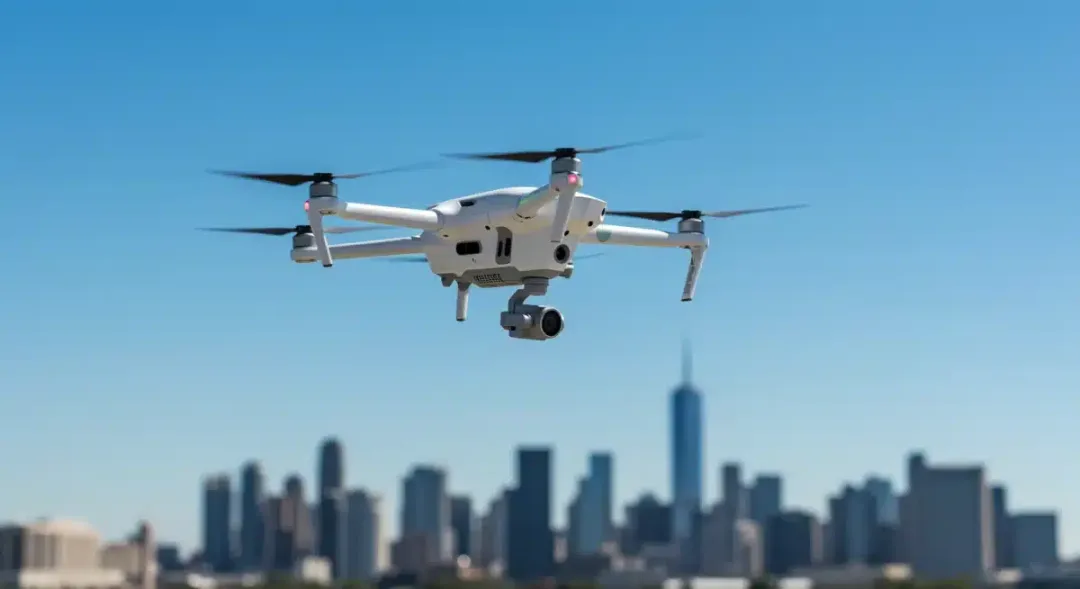
The latest advancements in drone technology have transformed the industry through improved battery systems extending flight times to over 60 minutes and AI-powered autonomous capabilities enabling complex navigation without human intervention.
The latest advancements in drone technology have fundamentally changed how we think about unmanned aerial vehicles. What was once limited to short flights and manual controls has evolved into sophisticated machines capable of autonomous missions spanning significant distances. Battery innovations now push flight times beyond the hour mark, while artificial intelligence enables drones to navigate complex environments independently. These developments are reshaping industries from agriculture to logistics, creating opportunities that seemed impossible just a few years ago. This article explores the cutting-edge innovations driving this transformation and what they mean for both commercial and consumer applications.
Battery Innovations Extending Flight Time
The single greatest limitation in drone technology has always been flight time. Early consumer drones could barely stay airborne for ten minutes, making practical applications difficult. That constraint is rapidly disappearing thanks to breakthroughs in battery chemistry and power management systems.
Anúncios
Modern lithium-polymer cells have seen energy density improvements of approximately 40% over the past three years. This translates directly to longer flight times without adding weight to the airframe. Companies like DJI and Autel Robotics now offer drones exceeding 40 minutes of flight time, while specialized industrial models push past the hour mark.

Solid-State Battery Development
Solid-state batteries represent the next frontier in drone power systems. These batteries replace the liquid electrolyte with a solid material, offering higher energy density and improved safety characteristics. Several manufacturers are currently testing solid-state prototypes in commercial drones, with mass production expected within the next two years.
- Lithium-sulfur batteries offer 5x the energy density of current lithium-polymer cells
- Fast-charging capabilities now allow 80% charge in under 20 minutes
- Intelligent battery management systems optimize power consumption during flight
- Swappable battery designs enable continuous operations for commercial users
Additionally, hydrogen fuel cells are emerging as a viable alternative for applications requiring extremely long flight times. Some experimental drones have achieved flight durations exceeding four hours using hydrogen power systems, opening possibilities for extended surveillance and inspection missions.
Anúncios
AI-Powered Autonomous Navigation
The autonomous capabilities of modern drones represent perhaps the most dramatic advancement in the field. What once required constant human input now happens automatically through sophisticated artificial intelligence systems processing data from multiple sensors in real time.
Machine learning algorithms enable drones to recognize and avoid obstacles, follow moving subjects, and navigate complex environments without pre-programmed routes. These systems analyze camera feeds and sensor data hundreds of times per second, making split-second decisions that previously required human pilots.
Computer Vision Systems
Computer vision has become the cornerstone of autonomous drone operation. Advanced image processing allows drones to identify objects, track movement, and understand spatial relationships. This technology enables features like precise hovering, automatic landing, and obstacle avoidance that feel almost magical to users.
- Multi-directional obstacle sensing covers 360 degrees around the drone
- Real-time mapping creates 3D environments from flight data
- Subject tracking follows people, vehicles, or animals automatically
- Precision landing detects suitable surfaces and lands autonomously
The integration of neural processing units directly into drone hardware has accelerated these capabilities. Dedicated AI chips handle inference tasks locally, reducing latency and improving reliability even in areas with poor connectivity. This shift toward edge computing ensures drones maintain autonomous functions regardless of signal conditions.
Advanced Sensor Integration
The sensor arrays equipping modern drones have expanded far beyond simple cameras. Thermal imaging, LiDAR, multispectral sensors, and gas detectors now equip specialized drones for industrial inspection, agricultural monitoring, and emergency response applications.
LiDAR systems mounted on drones can create detailed topographic maps with centimeter-level accuracy. This capability has revolutionized surveying, mining operations, and construction monitoring. The data collected enables precise volume calculations, terrain analysis, and progress tracking without sending personnel into hazardous areas.
Multi-Spectral Agricultural Sensors
Agricultural drones now routinely carry multi-spectral cameras capable of detecting plant health indicators invisible to the human eye. These sensors measure reflected light across multiple wavelengths, identifying stressed crops, nutrient deficiencies, or pest infestations early enough for intervention.
- Normalized difference vegetation index (NDVI) mapping reveals crop health patterns
- Thermal sensors detect irrigation problems and plant disease
- Gas sensors identify leaks in industrial facilities
- Radiometric cameras measure temperature variations for building inspections
The convergence of these sensors with AI processing creates systems capable of autonomous inspection missions. Drones can now fly predetermined routes, collect data systematically, and even identify anomalies without human analysis of every frame.
Regulatory Framework Evolution
Regulatory bodies in the United States have progressively updated rules to accommodate the expanding capabilities of drone technology. The Federal Aviation Administration has introduced several programs enabling broader autonomous operations while maintaining safety requirements.
Part 107 waivers previously required for operations beyond visual line of sight are now more accessible through the Remote ID requirement. This digital identification system allows drones to be tracked and identified, addressing safety concerns that previously limited autonomous applications.
Emerging Regulatory Categories
New certification categories are emerging to address different operational scenarios. Commercial operations under Part 107 have expanded to include night flying, operations over people, and beyond visual line of sight missions under specific conditions.
- Remote ID implementation enables automated drone tracking
- Part 107.41 allows operations over people with certified aircraft
- Night operations permitted with anti-collision lighting
- State and local ordinances increasingly accommodate drone use
These regulatory changes have unlocked commercial opportunities previously restricted by legal uncertainty. Companies can now deploy drones for last-mile delivery, infrastructure inspection, and autonomous monitoring with clearer legal frameworks guiding operations.
Commercial Application Transformation
The business case for drone technology has strengthened dramatically as capabilities improve and regulations clarify. Industries ranging from construction to healthcare are integrating drones into standard operational procedures.
Last-mile delivery remains perhaps the most visible commercial application. While full-scale drone delivery faces regulatory and infrastructure challenges, progress continues in controlled environments. Medical supply delivery to remote locations has proven particularly valuable, with drone services now operating in several states.
Industrial Inspection Revolution
Industrial inspection represents one of the most mature commercial drone applications. Towers, bridges, pipelines, and large facilities can now be inspected comprehensively without scaffolding or human climbing. The time and cost savings compared to traditional methods are substantial.
- Wind turbine blade inspection reduces inspection time from days to hours
- Bridge inspections identify corrosion and damage without traffic disruption
- Pipeline monitoring covers hundreds of miles automatically
- Solar panel array inspection identifies efficiency losses precisely
Insurance adjusters, real estate professionals, and construction managers have similarly adopted drone-based workflows. The visual documentation capabilities provide detailed records impossible to capture from ground level, improving accuracy and reducing disputes.
Consumer Drone Market Evolution
Consumer drones have evolved from hobbyist novelties to sophisticated imaging platforms. The features once exclusive to professional models now appear in consumer-friendly packages, making aerial photography accessible to mainstream users.
Image quality has improved dramatically, with current consumer drones offering 4K video, large sensors capable of low-light performance, and sophisticated color profiles. These improvements have created new creative possibilities for content creators and enthusiasts.
Compact and Foldable Designs
Portability has become a key selling point for consumer drones. Foldable designs pack sophisticated capabilities into packages small enough for everyday carry. This accessibility has expanded the user base beyond technical enthusiasts to travelers, vloggers, and casual users.
- Sub-250 gram drones avoid registration requirements in many areas
- Foldable frames collapse to pocket-sized dimensions
- Protective cases integrate with standard camera bags
- Quick-launch features enable capture within seconds of unfolding
The democratization of drone technology has created a vibrant community of aerial photographers and videographers. Social platforms overflow with drone content, demonstrating how far the technology has come from its military origins.
Future Outlook and Emerging Technologies
The trajectory of drone technology suggests continued rapid advancement. Several emerging technologies promise to further expand capabilities and open new application areas in the coming years.
5G connectivity will enable real-time video streaming and cloud-based processing at scale. This infrastructure improvement will enhance autonomous operations and enable new use cases requiring immediate data analysis. The combination of high-bandwidth communication and edge AI processing creates possibilities for sophisticated remote operation.
Swarm Technology Development
Drone swarm technology represents an emerging frontier with significant potential. Coordinated groups of drones can perform tasks impossible for single aircraft, from agricultural pollination to large-scale search operations. While regulatory hurdles remain substantial, controlled demonstrations show the technical feasibility.
- Autonomous formation flying maintains precise positioning without central control
- Distributed decision-making enables adaptive mission execution
- Redundant systems ensure mission completion despite individual failures
- Energy-efficient algorithms extend collective operation times
The convergence of improved batteries, AI capabilities, and regulatory clarity points toward a future where drones become ubiquitous infrastructure. From package delivery to emergency response, autonomous aerial vehicles will increasingly assume roles currently requiring human presence.
| Key Point | Brief Description |
|---|---|
| Extended Flight Time | Modern lithium-polymer batteries achieve 40+ minutes flight time, with solid-state and hydrogen fuel cells pushing toward hour-plus durations. |
| AI Autonomous Navigation | Machine learning and computer vision enable obstacle avoidance, subject tracking, and complex route navigation without human intervention. |
| Advanced Sensor Integration | LiDAR, thermal imaging, and multi-spectral sensors transform drones into sophisticated inspection and monitoring platforms. |
| Regulatory Progress | FAA Remote ID and expanded Part 107 operations enable broader commercial and autonomous applications. |
Frequently Asked Questions
How long can modern drones fly on a single charge?▼Consumer drones typically offer 30-45 minutes of flight time, while professional and industrial models can exceed 60 minutes. Emerging solid-state battery technology promises further improvements, with some experimental models achieving over four hours using hydrogen fuel cells.
What autonomous features do modern drones include?▼Modern drones include AI-powered obstacle avoidance, automatic subject tracking, precision landing, autonomous flight path planning, and real-time 3D mapping. These features operate through onboard processors analyzing data from multiple sensors including cameras and LiDAR systems.
Are drone deliveries currently available in the United States?▼Limited drone delivery services operate in specific areas, primarily for medical supplies to remote locations. Companies like Wing and Amazon have received approvals for expanded testing, but widespread consumer delivery faces ongoing regulatory and logistical challenges.
What regulations govern drone operation in the US?▼The FAA governs drone operation through Part 107 rules requiring registration and operational guidelines. Remote ID became mandatory in 2024, enabling drone tracking. Operations over people, night flying, and beyond visual line of sight require specific certifications and waivers.
What is the future of drone technology?▼The future includes extended flight times through solid-state batteries, advanced AI enabling complex autonomous missions, 5G connectivity for real-time processing, and swarm technology for coordinated operations. Drones will increasingly become infrastructure for delivery, inspection, and monitoring applications.
Conclusion
The rapid evolution of drone technology has transformed what was once a niche hobby into a transformative industry. Extended flight times, sophisticated AI navigation, and advanced sensor systems have unlocked commercial applications across agriculture, construction, logistics, and emergency response. As regulatory frameworks adapt to these capabilities and emerging technologies promise further improvements, drones are poised to become essential infrastructure in countless sectors. The innovations reshaping the industry today represent just the beginning of what autonomous aerial vehicles will accomplish in the coming decade.