
Advertisements
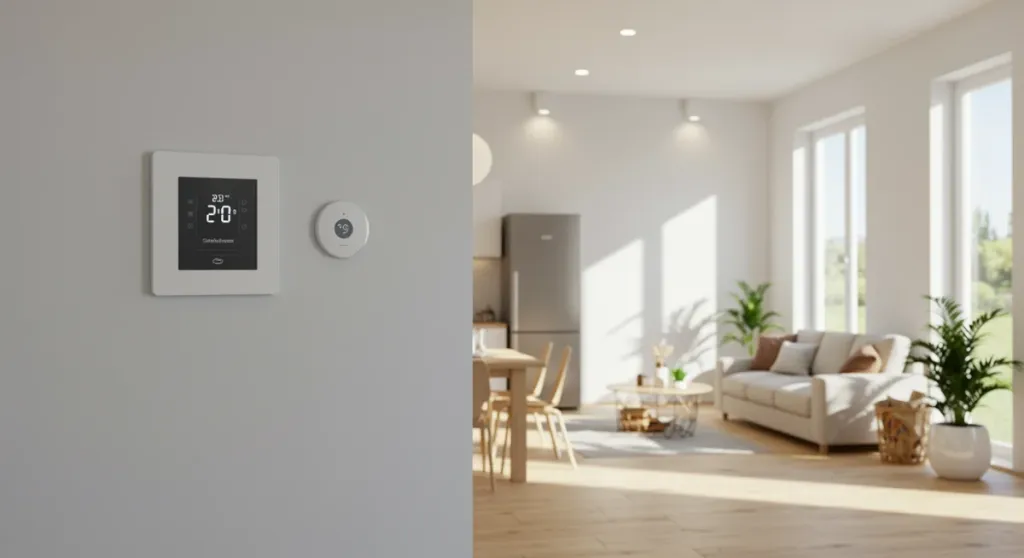
Energy-efficient home products like smart thermostats, LED lighting, proper insulation, and Energy Star appliances can reduce utility costs by up to 20%, making them worthwhile investments for budget-conscious homeowners.
Anúncios
Your home likely consumes more energy than necessary, and those wasted kilowatts add up faster than most people realize. The good news is that upgrading to Energy-Efficient Home Finds doesn’t require a complete overhaul of your living space. Small changes, when combined strategically, create substantial savings that appear month after month on your utility bills. This guide walks you through the most impactful upgrades, explaining not just what to buy, but why each change matters for your wallet and the environment. Whether you’re a first-time homeowner or looking to optimize an established residence, these practical solutions fit every budget and skill level.
Anúncios
Understanding Your Home’s Energy Consumption
Before diving into specific products, understanding where your energy goes provides context for every purchase decision. The average American household spends approximately $2,000 annually on utilities, with heating and cooling accounting for nearly half of that amount. Water heating follows at around 18%, while lighting and appliances share the remainder. This breakdown reveals why focusing on climate control and water heating delivers the fastest return on investment.
Many homeowners are surprised to learn that air leaks and poor insulation waste significant energy even when systems run efficiently. A professional energy audit, often available through local utility companies for free or reduced cost, identifies specific problem areas. These audits use infrared cameras and blower door tests to pinpoint where conditioned air escapes and outside air infiltrates. The results guide your purchasing decisions, ensuring money goes toward solutions that address your home’s particular weaknesses rather than generic upgrades.
Key Areas Consuming Energy
- Heating and cooling systems (approximately 48% of total energy use)
- Water heating (around 18% of household energy consumption)
- Lighting fixtures (roughly 12% of total energy usage)
- Appliances and electronics (remaining percentage varies by household)
Once you understand these percentages, prioritizing upgrades becomes straightforward. The largest energy users deserve the most attention, but smaller changes accumulate over time. Think of energy efficiency as a marathon rather than a sprint, with each improvement building upon previous ones.
Smart Thermostats: The Foundation of Efficiency
The thermostat serves as the command center for your home’s climate control, making it the single most impactful upgrade for most households. Smart thermostats learn your schedule, adjust automatically based on occupancy, and provide detailed usage reports that reveal patterns invisible to traditional devices. The initial investment typically ranges from $100 to $250, with most homeowners recouping that cost within two years through reduced heating and cooling bills.
What distinguishes smart thermostats from programmable models is their ability to learn and adapt without constant manual adjustment. They detect when you leave for work, when you return, and even when sleep patterns shift. Some models integrate with other smart home devices, coordinating with ceiling fans or ventilation systems to optimize comfort while minimizing energy use. The convenience factor cannot be overstated either: adjusting your home’s temperature from anywhere using a smartphone app proves invaluable during unexpected schedule changes.
Features That Maximize Savings
- Learning algorithms that adapt to your schedule automatically
- Geofencing technology that detects when you leave home
- Detailed energy usage reports and consumption alerts
- Integration with other smart home devices and voice assistants
Installation,大多数智能恒温器提供DIY安装选项,尽管某些HVAC系统可能需要专业帮助。安装完成后,通过WiFi连接到您的智能手机并创建账户。初始设置过程要求您输入典型的时间表,但设备会在接下来的几周内学习并优化设置。大多数用户报告称,在安装后的第一个月内,账单减少了10-15%。
LED Lighting Solutions That Cut Costs
Lighting often gets overlooked in energy efficiency discussions, yet switching from incandescent bulbs to LED alternatives delivers immediate, measurable savings. LED bulbs use approximately 75% less energy than traditional incandescent bulbs and last 25 times longer. While the upfront cost per bulb remains higher, the lifespan and efficiency make LEDs the clear economic choice over time.
Modern LED options extend far beyond standard bulb shapes. Today’s market offers LED solutions for nearly every fixture type, including recessed lighting, track lighting, chandeliers, and outdoor applications. Smart LED bulbs add another layer of convenience, allowing you to control brightness and color temperature through smartphone apps or voice commands. Some homeowners use scheduling features to simulate occupancy while away, enhancing security alongside energy savings.
Strategic LED Implementation
- Replace most-used bulbs first (kitchens, living rooms, entryways)
- Consider color temperature for different rooms (warm white for bedrooms, cool white for workspaces)
- Explore smart LED options for automated scheduling and remote control
- Don’t forget outdoor lighting and garage spaces
For homes with many hardwired fixtures, swapping to LED-compatible dimmers and fixtures maximizes benefits. Not all LEDs work well with older dimmer switches, so checking compatibility before purchase prevents flickering or reduced lifespan. The initial research pays off in smooth operation and consistent savings.
Insulating Your Home Properly
Insulation works quietly in the background, yet its impact on energy consumption proves enormous. Proper insulation keeps conditioned air inside during summer and winter, reducing the workload on your HVAC system. Many homes, especially those built before modern energy codes, lack adequate insulation in walls, attics, and foundations. Addressing these gaps often produces the highest return on investment among all efficiency upgrades.
Attic insulation deserves first attention in most cases, as heat rises and escapes through the roof in winter while penetrating downward during summer. Blown-in cellulose or spray foam insulation typically outperforms traditional fiberglass batts in both R-value and air sealing capability. Wall insulation proves more challenging to upgrade without exterior renovation, but options exist including blown-in insulation that requires small hole access. Foundation and basement insulation prevents ground temperature from affecting your living space.
Insulation Types and Applications
- Blown-in cellulose (recycled paper) for attics and walls
- Spray foam for air sealing and highR-value needs
- Fiberglass batts for DIY installation in accessible spaces
- Rigid foam board for foundations and exterior walls
Beyond adding insulation, addressing air leaks around windows, doors, and utility penetrations prevents energy waste. Weatherstripping and caulking represent inexpensive fixes that deliver measurable results. Many utility companies offer free or low-cost weatherization services, making this an accessible starting point for homeowners regardless of budget.
Energy-Efficient Appliances Worth the Investment
Major appliances consume substantial energy daily, making appliance upgrades significant for long-term savings. Energy Star certified appliances meet strict efficiency guidelines established by the EPA, typically using 10-50% less energy than standard models. The certification applies to refrigerators, dishwashers, washing machines, dryers, and ovens, covering most major household energy consumers.
Refrigerators run continuously, making them prime candidates for efficiency upgrades. Modern Energy Star refrigerators use advanced compressor technology and improved insulation to maintain temperatures while consuming minimal power. Dishwashers with Energy Star certification use less water and energy while often providing superior cleaning performance. Frontloading washing machines generally outperform toploading models in efficiency, using less water and extracting more moisture during spin cycles.
Prioritizing Appliance Upgrades
- Refrigerators (continuous operation makes efficiency critical)
- Water heaters (second largest energy consumer in most homes)
- Washing machines (significant water and energy savings)
- Dishwashers (modern models clean better while using less)
When shopping for new appliances, comparing energy guide labels reveals annual operating costs. The initial price difference between standard and efficient models often pays back within the appliance’s lifespan through reduced utility bills. Many retailers offer rebates on Energy Star products, further shortening the payback period.
Water Heating Solutions
Water heating ranks as the second largest energy expense in most homes, making efficiency improvements in this area particularly valuable. Traditional tank water heaters continuously heat water regardless of demand, creating standby heat loss. Heat pump water heaters, also known as hybrid models, extract heat from surrounding air to warm water, using significantly less electricity. Solar water heaters harness renewable energy for substantial savings in sunny climates.
Tankless or on-demand water heaters provide another efficient alternative, heating water only when needed rather than maintaining a constantly heated tank. These units typically cost more upfront but offer endless hot water and reduced energy waste. For households with multiple bathrooms or high hot water demand, the combination of on-demand heating and appropriate sizing eliminates the frustration of running out of hot water while reducing energy consumption.
Water Heater Options Compared
- Heat pump water heaters (most efficient electric option, ideal for moderate climates)
- Tankless on-demand heaters (eliminates standby losses, compact installation)
- Solar water heaters (best for sunny regions, requires roof space)
- Heat pump hybrid systems (combines efficiency with traditional operation)
Regardless of the technology chosen, lowering the water heater thermostat to 120 degrees Fahrenheit provides immediate savings without sacrificing comfort. This temperature satisfies most household needs while reducing energy waste and preventing scalding. Adding insulation blankets to existing tank heaters helps reduce standby heat loss in older units.
Monitoring and Maintaining Your Savings
Purchasing efficient products represents only half the battle; ongoing monitoring and maintenance ensure savings persist over time. Smart home energy monitors track consumption in real-time, identifying unusual spikes that might indicate problems. These devices connect to your electrical panel and provide smartphone app access to detailed usage data, helping you understand the impact of behavioral changes and system performance.
Regular maintenance extends the life and efficiency of all your systems. Replacing HVAC filters every one to three months keeps systems running efficiently and improves indoor air quality. Scheduling annual professional maintenance for heating and cooling systems catches small problems before they become expensive repairs. Cleaning refrigerator coils annually improves performance and extends appliance life. These simple tasks take minimal time but preserve the efficiency gains from your investments.
Maintenance Schedule Essentials
- Replace HVAC filters monthly during heavy use seasons
- Schedule annual HVAC professional maintenance
- Clean refrigerator coils annually
- Check weatherstripping and caulking seasonally
Behavioral changes complement equipment upgrades effectively. Lowering thermostat settings by just two degrees during winter saves approximately 10% on heating bills. Taking shorter showers and installing lowflow fixtures reduces water heating costs. Turning off lights and unplugging idle electronics eliminates phantom loads that quietly consume energy. These habits, combined with your efficiency investments, maximize the savings potential of your home.
| Energy Solution | Potential Savings |
|---|---|
| Smart Thermostats | 10-15% reduction on heating and cooling costs |
| LED Lighting | 75% less energy than incandescent bulbs |
| Proper Insulation | Up to 20% total energy savings annually |
| Energy Star Appliances | 10-50% less energy than standard models |
Frequently Asked Questions
Most homeowners achieve 10-20% savings on utility bills through comprehensive energy-efficient upgrades. Smart thermostats typically save 10-15% on heating and cooling costs, while LED lighting reduces lighting expenses by approximately 75%. Combining multiple upgrades produces cumulative savings approaching 20% for most households.
Smart thermostats represent the best first upgrade for most homeowners because they deliver quick returns, typically under two years, while providing data and control over your largest energy expense. However, if your home lacks adequate insulation, addressing that issue first often produces greater long-term savings since it improves the effectiveness of all climate control systems.
Energy-efficient appliances typically cost more initially than standard models, but the difference is usually recovered through reduced utility bills over the appliance’s lifespan. Energy Star certified products often qualify for rebates that offset the upfront cost difference. When shopping, compare the Energy Guide label showing estimated annual operating costs alongside the purchase price.
Most homeowners see immediate savings on their next utility bill after installing smart thermostats or switching to LED bulbs. Larger projects like insulation upgrades may take a full season to demonstrate their full impact as the home adjusts to improved efficiency. Tracking usage through smart home monitors helps verify savings within the first month.
Federal tax credits for energy-efficient home improvements have varied over time, with current programs offering credits for heat pump water heaters, heat pumps, and insulation materials. Many state utility companies provide rebates for smart thermostats, LED bulbs, and Energy Star appliances. Checking the Database of State Incentives for Renewables and Efficiency helps identify available local incentives.
Conclusion
Transforming your home into an energy-efficient haven requires thoughtful choices rather than overwhelming investment. Starting with smart thermostats and LED lighting delivers quick wins that build momentum for larger projects like insulation upgrades and appliance replacements. The cumulative effect of these improvements can reach the 20% savings mark that makes efficiency upgrades genuinely worthwhile. Beyond the financial benefits, reducing energy consumption contributes to environmental sustainability while often improving home comfort. Begin with one or two changes today, and watch the savings accumulate month after month while your home becomes more comfortable and efficient.
