
Advertisements
In 2026, foldable phone manufacturers have made significant strides in addressing long-standing durability concerns through advanced materials, improved hinge mechanisms, and rigorous testing standards, making these devices more reliable than ever for everyday use.
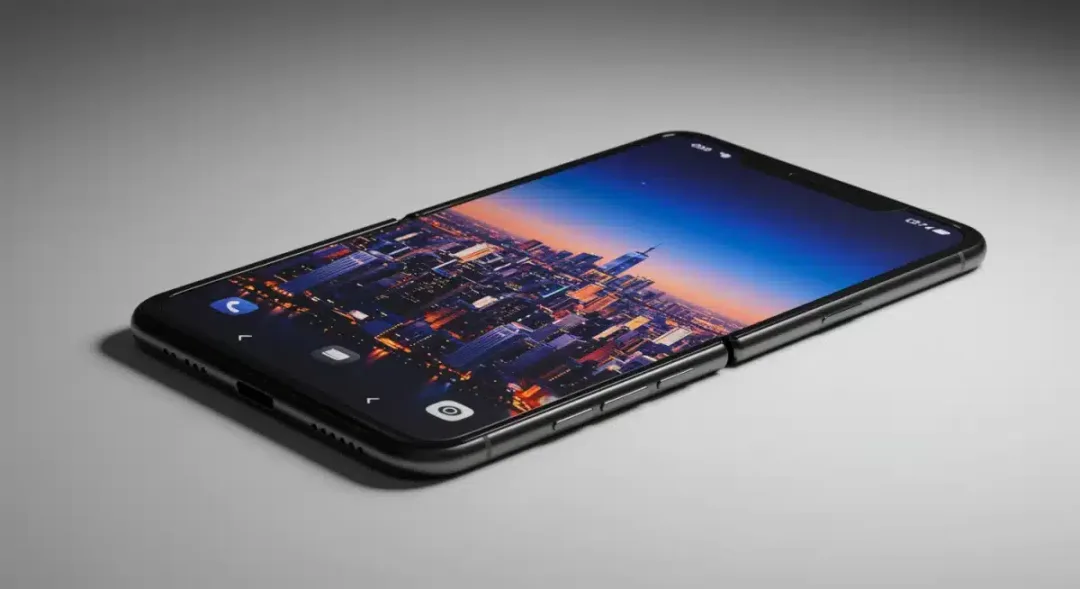
When foldable phones first entered the consumer market, they felt like science fiction made tangible. The idea of a smartphone that could bend and flex seemed revolutionary, yet the early models quickly revealed a troubling reality: these devices struggled with reliability. Screen failures, hinge malfunctions, and dust infiltration became common complaints, leaving many potential buyers hesitant. However, as we move through 2026, the landscape has shifted dramatically. Manufacturers have invested billions in research and development, and the latest generation of foldable phones 2026 models demonstrates a renewed commitment to durability that may finally silence the skeptics. This article takes a comprehensive look at how the industry has evolved, what new technologies are driving these improvements, and whether the newest devices are ready for daily real-world use.
The Evolution of Foldable Phone Durability
The journey toward durable foldable devices began with humble and often frustrating origins. The first commercial foldable phones suffered from fragile displays that could be damaged by everyday objects, including fingernails and small debris. The folding mechanism itself became a point of failure, with hinges loosening over time and allowing dust to penetrate the internal components. These early issues were not merely cosmetic; they represented fundamental engineering challenges that seemed almost insurmountable.
Anúncios
Manufacturers responded by fundamentally rethinking their design philosophy. Instead of treating durability as an afterthought, companies began incorporating durability considerations from the earliest stages of product development. This shift in approach has yielded remarkable results. The foldable phones released in 2026 feature display technologies that can withstand significantly more stress than their predecessors, with some models claiming resistance to scratches that would permanently damage conventional smartphone screens.
Key Milestones in Foldable Durability
- 2019-2020: First generation devices with basic folding displays and limited protection
- 2021-2022: Introduction of ultra-thin glass (UTG) overlays and improved hinge seals
- 2023-2024: Development of multi-layer display systems and enhanced IP ratings
- 2025-2026: Advanced material composites and self-healing technologies
The progression from fragile prototypes to the robust devices of today represents one of the most significant technological advancements in the smartphone industry. What was once considered a gimmick has evolved into a legitimate category worthy of serious consideration for power users and average consumers alike.

Material Innovations: What Changed in 2026
The most dramatic improvements in foldable phone durability have come through revolutionary materials that were previously unavailable or prohibitively expensive. Ultra-thin glass has become the standard for display overlays, but the formulations have evolved substantially. The latest iterations use proprietary glass composites that combine flexibility with hardness ratings previously thought impossible in bendable materials.
Anúncios
Beyond the display, manufacturers have introduced advanced polymers and metal alloys in critical structural components. The hinge mechanisms, which once represented the weakest point of foldable devices, now utilize aerospace-grade titanium components and self-lubricating joints that maintain their smoothness even after hundreds of thousands of fold cycles. Some companies have even incorporated shape-memory alloys that can partially recover from minor physical deformations.
The introduction of self-healing materials has been particularly noteworthy. While these technologies are still in their early stages, several 2026 models feature display coatings that can repair minor scratches automatically over time. The healing process occurs at room temperature, requiring no external intervention from the user. These advances represent a fundamental shift in how we think about device longevity and user maintenance.
Top Foldable Phone Models Released in 2026
The current market offers an impressive array of foldable devices, each with unique approaches to durability. The leading manufacturers have all released updated models that showcase their latest innovations in materials science and engineering.
The flagship book-style devices from major manufacturers now feature IPX8 water resistance as standard, meaning they can survive submersion in up to 1.5 meters of water for 30 minutes. This represents a significant improvement over earlier models that offered no official water resistance at all. Flip-style phones have similarly benefited from these advances, with several models achieving IPX4 ratings that protect against splashing water from any direction.
Notable 2026 Releases
- Premium book-style models with 7+ inch internal displays and enhanced hinge protection
- Compact flip phones featuring improved cover displays and reinforced frame designs
- Mid-range options that make foldable technology accessible to broader audiences
- Specialized devices targeting business users with enhanced productivity features
Each manufacturer has taken slightly different approaches to durability, creating a diverse market where consumers can choose based on their specific priorities. Some focus on drop protection, while others emphasize dust resistance or scratch prevention. This variety has made it easier for consumers to find a device that matches their lifestyle and usage patterns.
Testing Standards and Certifications
As foldable phones have matured, so too have the testing protocols used to evaluate their durability. The industry has moved beyond simple drop tests and ad-hoc evaluations toward more comprehensive assessment frameworks that simulate real-world usage patterns.
Manufacturers now subject their devices to rigorous testing regimens that include repeated folding cycles, exposure to extreme temperatures, humidity testing, and dust infiltration trials. Some companies have developed proprietary testing machines that can simulate years of use in compressed timeframes, allowing them to identify potential failure points before products reach consumers.
Independent certification bodies have also entered the space, offering durability ratings that provide consumers with objective comparisons across different models. These certifications consider multiple factors including hinge longevity, display durability, and overall structural integrity. The presence of such certifications has helped build consumer confidence in a product category that previously suffered from perception issues.
The testing standards continue to evolve, with some manufacturers proposing new protocols that specifically address concerns unique to foldable devices. These include stress tests that focus on the display crease area and hinge mechanism evaluations that measure performance degradation over extended use periods.
Real-World User Experiences
Laboratory testing provides valuable data, but real-world user experiences often tell a more complete story. Forums, review sites, and social media platforms have become rich sources of information about how foldable devices perform over time in everyday situations.
Early adopters who have used their foldable phones for extended periods report generally positive experiences, particularly with devices released in the past two years. Many users note that the latest models feel substantially more solid than earlier generations, with fewer concerns about accidental damage. The improvements in hinge design have been particularly appreciated, with users reporting that the folding mechanism maintains its smooth operation even after months of daily use.
However, challenges remain. Some users continue to express concerns about the long-term durability of the display, particularly in the crease area where the screen folds. While visible creases have become less pronounced in newer models, questions remain about whether the display materials will maintain their integrity over three or more years of heavy use. Additionally, repair costs for foldable devices remain higher than traditional smartphones, creating potential financial concerns for users who do not purchase extended warranties.
Cost vs. Durability: Is It Worth the Investment?
The premium pricing of foldable phones has always been a significant barrier to adoption, and this remains true in 2026. The advanced materials and complex engineering required for these devices command price tags that substantially exceed traditional smartphones at comparable specification levels.
When evaluating the cost versus durability proposition, consumers must consider several factors. The improved durability of current models reduces the likelihood of costly repairs or premature replacements. Many users who previously went through multiple traditional smartphones find that a single foldable device can serve their needs for a longer period, potentially offsetting the higher initial investment.
Extended warranty programs have become increasingly popular for foldable devices, with manufacturers offering specialized coverage that addresses the unique repair challenges of these products. These programs typically cost more than standard warranty extensions but provide peace of mind for users concerned about potential issues. The decision whether to invest in additional coverage often depends on individual risk tolerance and usage patterns.
For many users, the combination of improved durability, expanded functionality, and premium design makes foldable phones a worthwhile investment. The ability to carry a large-screen device in a compact form factor provides genuine utility that traditional smartphones cannot match. As prices gradually decline and durability continues to improve, the value proposition becomes increasingly compelling for mainstream consumers.
What to Expect in the Future
The durability improvements seen in 2026 represent significant progress, but the technology continues to evolve. Manufacturers are already working on next-generation materials and designs that could further address remaining concerns.
Research into self-healing technologies is expanding, with some companies exploring materials that can repair more substantial damage including small tears in the display. Advances in flexible battery technology could also contribute to improved durability by reducing the number of components that must flex during device operation.
The development of standardized repair frameworks for foldable devices is another area of ongoing progress. As these products become more common, independent repair options are emerging that could reduce maintenance costs and extend device lifespans. This democratization of repair options would address one of the remaining concerns about foldable phone ownership.
Looking further ahead, some researchers are exploring completely new form factors that could eliminate some of the durability challenges inherent in current designs. While these concepts remain in early development stages, they suggest that the durability story for foldable devices is far from complete.
| Key Point | Brief Description |
|---|---|
| Material Advances | Ultra-thin glass composites, aerospace-grade titanium hinges, and self-healing coatings now standard in flagship models. |
| Water Resistance | IPX8 certification common on premium devices, protecting against submersion in 1.5 meters of water for 30 minutes. |
| Testing Protocols | Comprehensive durability testing including hundreds of thousands of fold cycles and extreme environmental conditions. |
| Market Options | Diverse range of book-style and flip phones available at various price points, with mid-range options making technology accessible. |
Frequently Asked Questions
Are foldable phones in 2026 durable enough for daily use?▼Yes, the latest foldable phones released in 2026 are significantly more durable than earlier generations. With improved materials like ultra-thin glass, reinforced hinges, and enhanced water resistance ratings, these devices can withstand typical daily use including accidental drops, exposure to dust, and regular folding cycles. However, they still require more careful handling than traditional smartphones.
What is the average lifespan of a foldable phone in 2026?▼With proper care, a foldable phone from 2026 can last three to four years or more. The hinge mechanisms are designed to withstand at least 200,000 to 300,000 folds, which translates to several years of typical usage. Display longevity depends on usage patterns and environmental factors, but most users report satisfactory performance well beyond the two-year mark.