
Advertisements
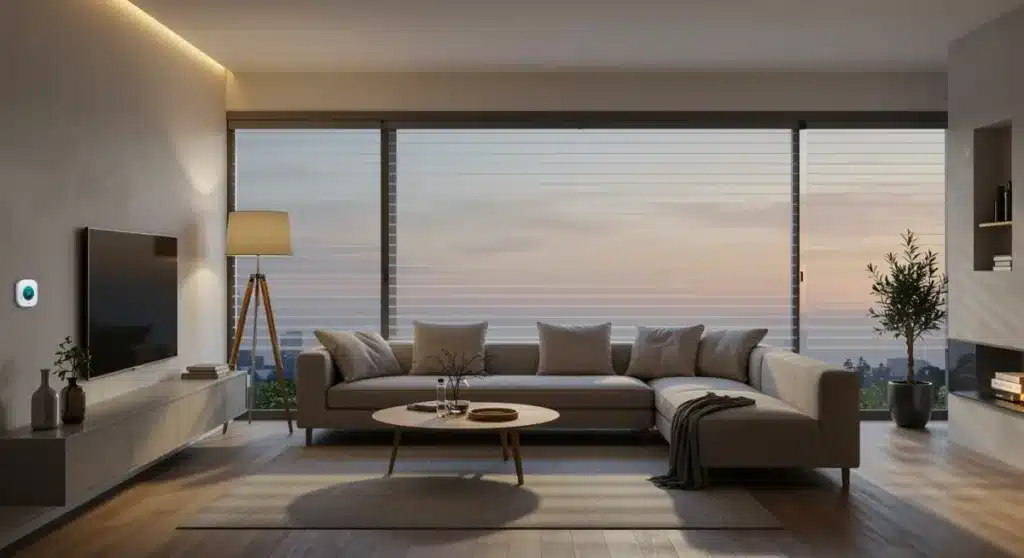
The next five years will transform how Americans live, with smart technology, sustainable designs, and AI-driven organization systems reshaping homes into intelligent, personalized sanctuaries that adapt to modern lifestyles.
The way Americans think about their homes is changing dramatically. What once served as simple shelters are now evolving into sophisticated ecosystems that respond to our needs before we even articulate them. From artificial intelligence that anticipates your morning routine to furniture that transforms based on your current activity, the home of tomorrow is already taking shape in the homes of today. This exploration dives into the innovations and trends set to redefine residential living, examining how technology, sustainability, and changing lifestyle priorities are converging to create spaces that are smarter, more responsive, and more personalized than ever before. Whether you are a homeowner planning renovations, a renter seeking the latest amenities, or simply curious about where the housing market is heading, understanding these shifts will help you make informed decisions about the spaces where you live, work, and raise your family.
Anúncios
Smart Home Technology: Beyond Convenience
The smart home revolution has moved well beyond voice-activated lights and smartphone-controlled locks. Modern home technology now integrates deeply into the fabric of daily life, learning patterns, anticipating needs, and creating environments that adapt automatically to residents. The next five years will see this technology become even more intuitive, with systems that predict behavior rather than simply responding to commands.
Energy management has become a central focus for smart home innovation. Advanced sensors now track not just temperature and humidity, but also occupancy patterns, sunlight angles, and even the thermal mass of different rooms. This data feeds into machine learning algorithms that optimize heating and cooling schedules, potentially reducing energy bills by thirty percent or more. Some systems already interface directly with utility companies to take advantage of off-peak pricing, automatically adjusting consumption during high-demand periods.
Anúncios
Emerging Smart Technologies
- Predictive climate control that learns household schedules and preferences
- AI-powered security systems capable of distinguishing between family members, guests, and potential intruders
- Integrated voice assistants that manage multiple smart devices simultaneously
- Smart water systems that detect leaks and monitor quality in real-time
Beyond individual device management, the industry is moving toward unified platforms that coordinate multiple systems seamlessly. Imagine your blinds adjusting automatically as the sun moves, your coffee starting when your alarm goes off, and your thermostat fine-tuning itself based on the day ahead—all without any manual input. This level of integration represents the true promise of smart home technology: not convenience for its own sake, but environments that quietly support better living.
Sustainable Living: Eco-Conscious Design Takes Center Stage
Environmental consciousness has shifted from a niche concern to a primary consideration in home design and renovation. Homeowners across the country are increasingly prioritizing sustainable materials, energy efficiency, and reduced environmental impact when making decisions about their living spaces. This trend extends far beyond solar panels and recycled furniture, touching every aspect of how homes are built, maintained, and lived in.
The materials revolution in home construction deserves particular attention. Manufacturers are developing innovative products made from agricultural waste, recycled plastics, and even mushroom-based insulation that offer superior performance compared to traditional materials. These sustainable alternatives often cost less over their lifetime due to improved durability and energy efficiency, making them attractive options for budget-conscious homeowners as well as environmentally minded ones.
Key Sustainable Innovations
- Carbon-negative building materials that actively remove CO2 from the atmosphere
- Greywater recycling systems for landscape irrigation and non-potable uses
- Smart energy storage solutions that pair with renewable energy systems
- Biodegradable smart home devices designed for easy recycling
Water conservation has emerged as another critical focus, particularly in regions experiencing ongoing drought conditions. Modern greywater systems now filter and treat water from showers and sinks for reuse in toilets and outdoor irrigation, reducing household water consumption by up to fifty percent. Combined with smart irrigation controllers that adjust based on weather forecasts and soil moisture levels, these systems represent a practical approach to sustainability that delivers tangible savings.
Multi-Functional Furniture and Space Optimization
The American home is changing in response to evolving lifestyle needs. With remote work becoming permanent for millions of workers, the traditional separation of living spaces and work spaces has blurred considerably. This shift has driven unprecedented innovation in furniture design, with manufacturers creating pieces that serve multiple purposes without sacrificing aesthetics or quality.
Murphy beds and sofa beds have evolved far beyond their clunky ancestors. Modern versions integrate seamlessly with room decor, featuring premium mattresses, built-in storage, and mechanisms that make transformation effortless. Some models now include integrated desks that fold out alongside the bed, creating a home office setup that disappears when not in use. This level of versatility appeals particularly to urban dwellers working with limited square footage.
Modular furniture systems have also gained significant traction, allowing homeowners to reconfigure their spaces as needs change. Sectional sofas with interchangeable components, storage units that stack or rearrange easily, and tables that expand or contract all contribute to homes that adapt rather than constrain. The best modular pieces combine thoughtful design with high-quality construction, ensuring they remain functional and attractive through years of reconfiguration.
AI-Powered Organization and Home Management
Artificial intelligence is transforming how Americans manage their homes, moving beyond simple automation to true proactive assistance. Smart organization systems now track inventory, anticipate needs, and even suggest improvements to household routines based on collected data. This technology addresses one of the persistent challenges of modern life: managing the complexity of running a household efficiently.
Inventory management represents one of the most practical applications of AI in the home. Smart pantries and refrigerators can now track contents, monitor expiration dates, and generate shopping lists automatically. Some systems connect directly with grocery delivery services, enabling automatic replenishment of household staples. For busy families, this automation eliminates the mental load of constantly monitoring supplies, freeing cognitive resources for more meaningful activities.
AI Home Management Tools
- Smart inventory tracking for pantry and refrigerator contents
- Predictive maintenance alerts for home systems and appliances
- Automated scheduling for cleaning, maintenance, and deliveries
- Energy usage analytics with personalized saving recommendations
Home maintenance has similarly benefited from AI-powered monitoring. Smart sensors can detect early warning signs of HVAC issues, plumbing leaks, or electrical problems, often identifying problems before they become serious enough to cause damage or require expensive repairs. Some systems now offer predictive maintenance schedules based on actual usage patterns and environmental conditions, extending the life of expensive appliances while reducing unexpected breakdowns.
Wellness-Centered Home Design
The concept of home as a sanctuary for physical and mental well-being has gained tremendous momentum. Driven partly by experiences during the pandemic, when many people spent extended periods at home, wellness-centered design has evolved from a luxury niche into a mainstream consideration. Today’s homeowners actively seek features that support health, comfort, and psychological well-being.
Air quality has emerged as a primary concern, with sophisticated filtration systems becoming standard features in new construction and major renovations. Beyond basic HEPA filters, advanced systems now monitor particulate matter, volatile organic compounds, and even pathogen levels, automatically adjusting ventilation to maintain optimal conditions. Some high-end homes incorporate dedicated air purification zones, particularly in bedrooms and home offices where people spend the most time.
Natural light optimization and circadian lighting systems address the often-overlooked impact of artificial lighting on health and sleep quality. Modern smart lighting can simulate natural daylight patterns throughout the day, supporting healthy sleep-wake cycles and improving overall well-being. These systems integrate with blinds and shades to maximize daylight exposure while controlling glare and heat gain, creating environments that feel comfortable regardless of the time of day.
The Rise of Modular and Convertible Spaces
Flexibility has become a defining characteristic of contemporary home design. As families change and lifestyles evolve, the ability to reconfigure living spaces without major renovation has become increasingly valuable. This demand has driven innovation in modular construction, movable partitions, and convertible spaces that adapt to different uses throughout the day.
Movable walls and partitions have evolved significantly, with modern systems offering substantial sound isolation, attractive finishes, and smooth operation. These products allow homeowners to create temporary rooms for guests, separate work areas from living spaces, or open up areas for entertaining—all without permanent construction. Some systems now incorporate storage, shelving, or even entertainment centers, making them functional additions rather than merely dividers.
Flexible Space Solutions
- Motorized partition walls with integrated storage and technology
- Transformable rooms that serve multiple functions daily
- Adjustable ceiling heights for space optimization
- Prefabricated modular additions that expand or contract as needed
Prefabricated modular home construction has also matured considerably, offering quality and customization that rivals traditional building methods while reducing construction time and waste. These homes can be expanded by adding modules, addressing the common challenge of outgrowing a home without relocating. For many Americans, particularly those in high-cost housing markets, modular construction represents a path to homeownership that might otherwise be unaffordable.
Community-Focused and Shared Living Spaces
The definition of home is expanding beyond individual dwellings to include community spaces and shared amenities. This trend reflects both practical considerations—particularly the high cost of housing in many markets—and a growing recognition that human well-being depends partly on connection and community. Developers and homeowners alike are reimagining how shared spaces can enhance the living experience.
Co-living arrangements have evolved from their startup origins to appeal to a broader demographic. These communities offer private bedrooms with shared kitchens, living areas, and amenities, combining the privacy of personal space with the community benefits of shared living. Many now include co-working spaces, reflecting the reality that remote work has blurred the boundaries between professional and personal life.
Neighborhood-level sharing economies have also gained traction, with communities developing libraries of things—collections of tools, equipment, and other items that residents can borrow rather than purchase individually. This approach reduces consumption, builds community connections, and makes expensive equipment accessible to everyone. Some neighborhoods have expanded this concept to include shared workshops, gardens, and even vehicles, creating genuine sharing economies at the community level.
| Key Innovation | Impact on Daily Living |
|---|---|
| AI-Powered Home Management | Automated inventory tracking, predictive maintenance, and smart scheduling reduce household mental load significantly. |
| Sustainable Materials | Eco-friendly construction and recycled materials lower environmental impact while often reducing long-term costs. |
| Wellness Design Features | Air quality monitoring, circadian lighting, and biophilic elements create healthier indoor environments. |
| Flexible Space Systems | Modular furniture and convertible spaces allow homes to adapt as family needs change over time. |
Frequently Asked Questions
Smart home technology costs vary widely depending on the scope of installation. Basic systems with smart lighting, thermostat, and security can start around $500 to $1,500, while comprehensive integrated systems with AI management, advanced climate control, and full automation can range from $5,000 to $25,000 or more. Many homeowners choose to start with a few key devices and expand gradually over time.
Currently, the most sustainable materials include cross-laminated timber (CLT) for structural elements, recycled steel and concrete, hempcrete insulation, and bamboo flooring. Insulation made from recycled denim, cellulose, or agricultural waste also offers excellent performance with minimal environmental impact. The best choice depends on specific application, local availability, and budget considerations.
Yes, AI-powered energy management systems can significantly reduce utility costs. Studies show smart thermostats alone can save fifteen to twenty-three percent on heating and cooling bills. More comprehensive systems that manage lighting, appliances, and water heating can achieve even greater savings, with some homeowners reporting thirty percent or more reduction in overall energy consumption.
Modular homes can be an excellent investment, offering faster construction times, potentially lower costs, and greater flexibility for future expansion. They appreciate similarly to traditional homes in most markets and often meet or exceed building code requirements. However, resale value depends heavily on quality, location, and local market perceptions, so research specific areas before investing.
Prioritize air quality improvements first, including proper ventilation and filtration systems. Next, consider lighting upgrades that support circadian rhythms, such as tunable white LED systems. Good window treatments that control light and glare while allowing natural light are also valuable. Finally, acoustic improvements through sound-dampening materials can significantly enhance comfort and well-being in noisy environments.
Conclusion
The future of home living promises spaces that are more intelligent, sustainable, and responsive to human needs than ever before. As technology continues to advance and environmental concerns drive innovation, American homes will evolve to meet changing lifestyles, work patterns, and values. Whether through AI-powered management systems that reduce household complexity, sustainable materials that minimize environmental impact, or flexible designs that adapt to family changes, the homes of tomorrow will serve as true sanctuaries in an increasingly complex world. Staying informed about these trends helps homeowners make decisions that not only improve their current quality of life but also protect the value and relevance of their homes for years to come.
