
Advertisements
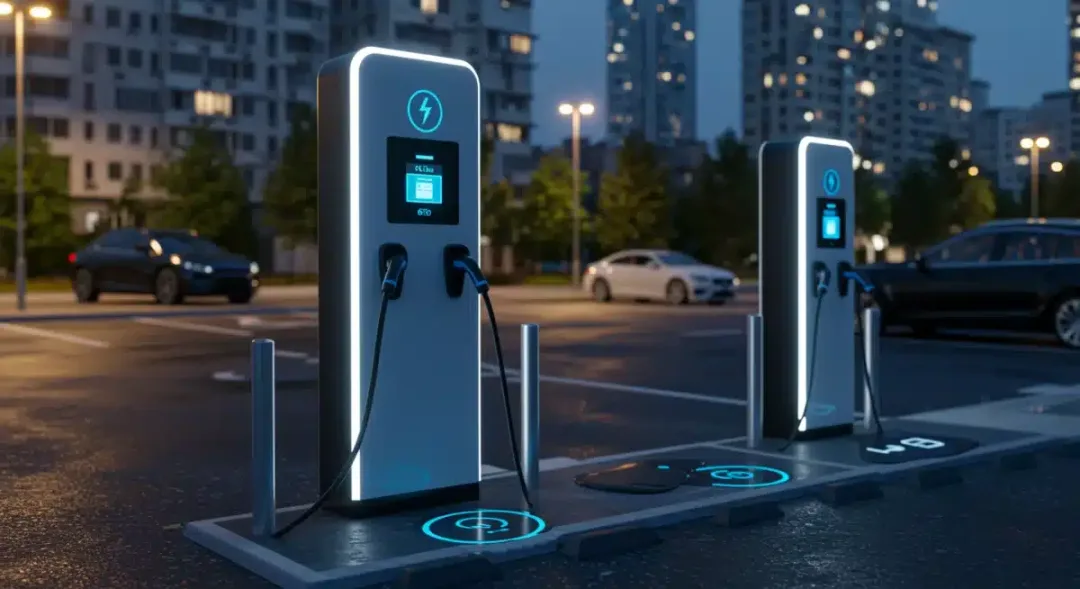
The next generation of electric vehicle chargers combines ultra-fast charging capabilities with wireless technology, revolutionizing how drivers power their vehicles. These innovations address key barriers to EV adoption by reducing charging times from hours to minutes and eliminating the need for physical connections entirely.
The charging infrastructure supporting electric vehicles is undergoing its most significant transformation since the technology first entered the mainstream market. Modern EV chargers now deliver charging speeds that would have seemed impossible just a few years ago, while wireless charging systems are beginning to appear in homes, parking lots, and public spaces across the country. This shift represents more than incremental improvement—it fundamentally changes how drivers interact with their vehicles and the energy grid.
The Next Generation of Electric Vehicle Chargers: Faster Charging Times and Wireless Capabilities marks a pivotal moment in automotive history. As manufacturers race to eliminate the range anxiety that has held back broader EV adoption, the charging experience itself is becoming faster, smarter, and remarkably more convenient. For American consumers considering the switch to electric, understanding these advances isn’t just interesting—it’s essential to making informed decisions about their next vehicle purchase.
Anúncios
The Evolution of EV Charging Technology
Electric vehicle charging has come a long way from the early days of the 2010s, when Level 1 home charging could take more than 20 hours to fully replenish a battery pack. The technology has evolved at a remarkable pace, driven by both consumer demand and regulatory pressure to create a more sustainable transportation ecosystem. What started as a basic convenience feature has transformed into a sophisticated network of interconnected systems capable of communicating with vehicles, utilities, and even other chargers to optimize energy distribution.
The infrastructure supporting these chargers has similarly matured. Where early charging stations were often isolated installations with limited functionality, modern networks operate as integrated platforms accessible through smartphone apps, payment systems, and vehicle navigation interfaces. This evolution reflects a broader understanding that charging isn’t merely about transferring electrons—it’s about creating a seamless experience that fits naturally into daily life.
Key Developments in Charging Standards
Several technical standards have emerged to ensure compatibility across different vehicle brands and charging networks. The Combined Charging System (CCS) has become the dominant standard in North America, offering both Level 2 AC charging and DC fast charging through a single, versatile connector. This standardization means drivers can access the vast majority of public charging infrastructure regardless of which manufacturer produced their vehicle.
Anúncios
- CCS (Combined Charging System) provides universal access to most public chargers
- Tesla’s North American Charging Standard (NACS) is now being adopted by major automakers
- CHAdeMO remains prevalent among Asian manufacturers, particularly Nissan and Toyota
- Wireless standards like SAE J2954 are establishing protocols for inductive charging
The convergence toward fewer, more universal standards represents a significant win for consumers. Gone are the days of carrying multiple adapter cards or wondering whether a particular station would work with a specific vehicle. This interoperability encourages investment in charging infrastructure by reducing uncertainty about which networks will see the most use.
Ultra-Fast Charging: Breaking the Time Barrier
The most dramatic improvement in recent years involves charging speed. What once required an overnight session can now often be accomplished during a brief coffee break or even faster. The latest generation of DC fast chargers can deliver power outputs exceeding 350 kilowatts, enabling certain vehicles to add 200 miles of range in just 15 minutes. This represents a fundamental shift in how drivers conceptualize the charging process.

These ultra-fast chargers work by delivering high-voltage direct current directly to the vehicle’s battery pack, bypassing the onboard charger that limits AC charging speeds. The technical challenge lies not just in the charger itself but in managing the heat generated by such intense power transfer, as well as ensuring the vehicle’s battery can safely accept the incoming energy without degradation.
How Ultra-Fast Charging Works
The mathematics behind fast charging are straightforward: power equals voltage multiplied by current. By increasing either voltage or current (or both), charging speed increases proportionally. Modern EV batteries are designed to accept high voltages—some systems operate at 800 volts or even higher—which allows for extremely rapid energy transfer without generating excessive heat.
- 350kW chargers can add significant range in under 20 minutes
- 800V battery architectures enable the fastest charging rates
- Thermal management systems prevent battery damage during rapid charging
- Charging curves optimize power delivery based on battery state of charge
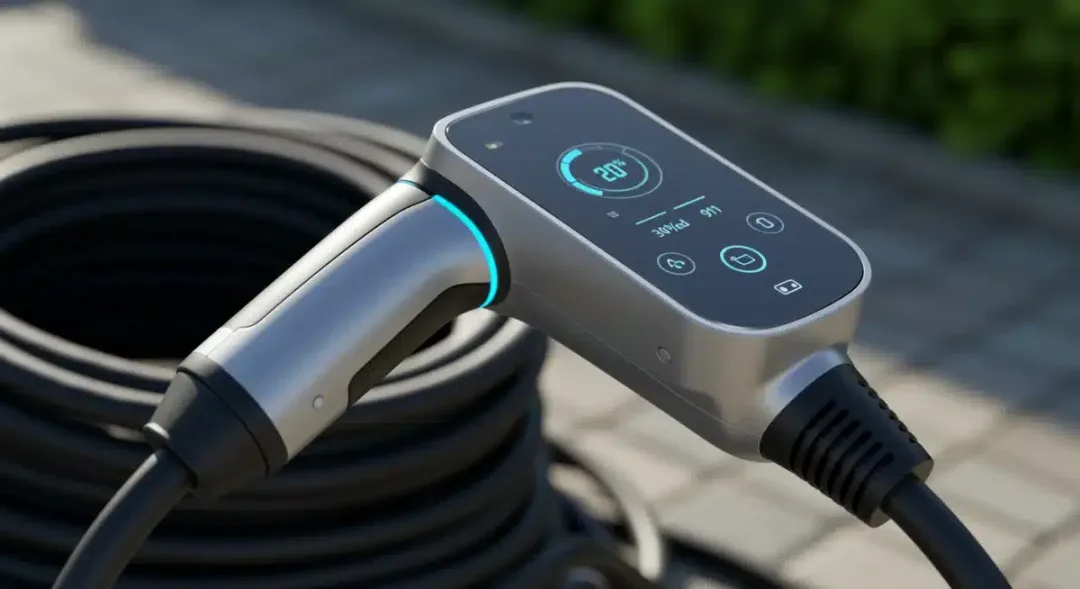
Understanding charging curves reveals why these speeds matter so much. A battery doesn’t accept charge at a constant rate throughout the process. Instead, it charges most rapidly when the state of charge is between 20% and 80%, then slows down to protect the battery as it approaches full capacity. This means the fastest chargers are most advantageous precisely when drivers need them most—during the middle portion of a charging session when they’re farthest from their destination but still have meaningful range to add.
Wireless Charging: Cutting the Cord
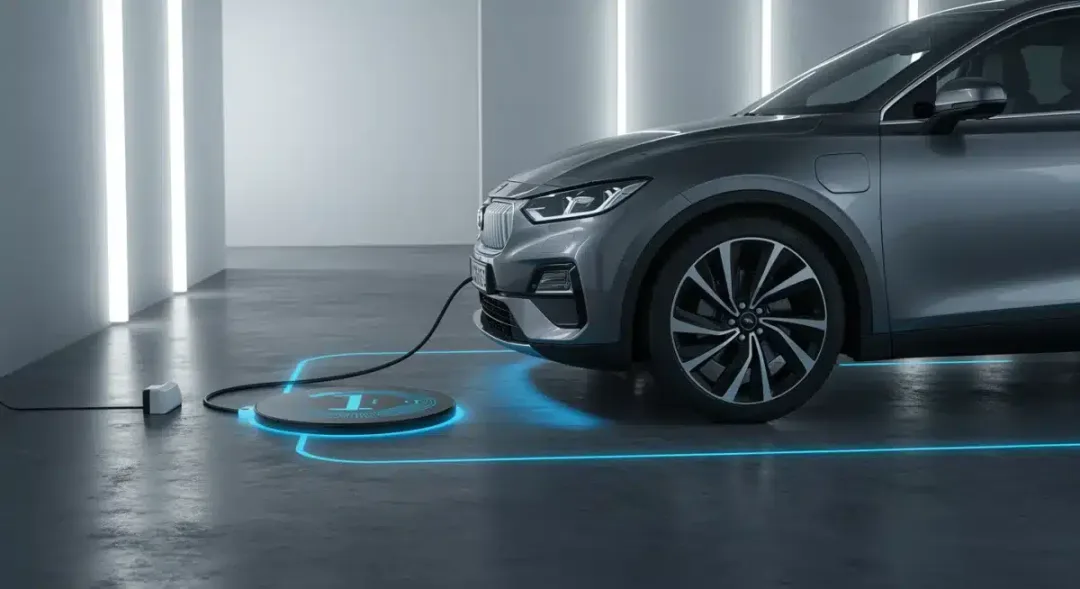
Imagine pulling into your garage and having your vehicle begin charging without plugging in anything—no cables, no connectors, no physical connection whatsoever. This isn’t science fiction; it’s the reality being created by wireless inductive charging technology. Using the same principle that powers wireless phone chargers, these systems transfer energy through an electromagnetic field between a charging pad installed in the ground and a receiver mounted on the vehicle’s underside.
The convenience factor is obvious, but the implications extend far beyond eliminating the need to handle a charging cable. Wireless charging enables automated charging in scenarios where plugging in would be impractical—parking garages, fleet operations, and eventually autonomous vehicles that need to charge without human intervention. The technology also opens possibilities for dynamic charging, where vehicles could potentially receive power while driving over specially equipped road segments.
The Technology Behind Inductive Charging
Inductive charging relies on electromagnetic induction, a phenomenon first discovered by Michael Faraday in the 1830s. When an alternating current passes through a coil of wire, it creates a changing magnetic field. When a second coil is placed nearby, this magnetic field induces an electrical current in the second coil—effectively transferring energy without physical contact.
- SAE J2954 standard defines power classes up to 11kW for wireless charging
- Alignment between charging pad and vehicle receiver affects efficiency
- Ground-based pads can be installed in driveways, parking spaces, and public areas
- Foreign object detection prevents hazards during charging
Current wireless systems typically achieve around 90-93% efficiency compared to 95% or higher for wired connections. While this might seem like a significant gap, the convenience advantage often outweighs the minor energy loss, particularly for overnight charging where vehicles remain stationary for hours. As the technology matures, efficiency continues to improve, narrowing the gap with traditional conductive charging.
Smart Charging Networks and Grid Integration
Fast hardware matters, but the true next-generation experience involves intelligent software that coordinates when, where, and how vehicles charge. Smart charging networks represent the convergence of automotive technology, software development, and electrical grid management into a unified system capable of optimizing energy distribution across entire regions.
These networks do far more than simply activate a charger when a vehicle plugs in. They consider factors like grid demand, electricity pricing, vehicle departure times, and even weather conditions that might affect renewable energy generation. The result is a charging experience that costs less money, places less stress on the electrical infrastructure, and maximizes the use of clean energy sources when available.
Vehicle-to-Grid Technology
Perhaps the most revolutionary aspect of smart charging involves bidirectional flow—vehicles that can not only receive energy from the grid but also send it back when needed. Vehicle-to-grid (V2G) technology turns electric vehicles into mobile energy storage units capable of supporting grid stability during peak demand periods or emergencies.
- EV batteries can store excess renewable energy during low-demand periods
- Stored energy can be returned to the grid during high-demand hours
- Owners can potentially earn money by participating in grid services
- V2H (vehicle-to-home) systems provide backup power during outages
The economic implications are substantial. During periods of high electricity demand, when grid infrastructure is stressed and prices are elevated, thousands of plugged-in vehicles could collectively discharge power back into the grid, smoothing demand curves and preventing brownouts. For individual owners, this could transform the equation of EV ownership from a cost center into a potential revenue source.
Battery Technology Synergy
The advances in charging capability would mean little without corresponding improvements in battery technology. The relationship between batteries and chargers is symbiotic: faster chargers require batteries capable of accepting rapid energy transfer, while better batteries enable faster charging without degradation. This interplay drives innovation across the entire EV ecosystem.
Modern EV batteries feature sophisticated thermal management systems that maintain optimal operating temperatures regardless of external conditions. This matters because batteries charge most efficiently and last longest within specific temperature ranges. Extreme cold or heat can dramatically slow charging speeds and reduce battery lifespan, making temperature control essential for achieving the promise of next-generation charging.
Advances in Battery Chemistry
The shift from conventional lithium-ion chemistry to more advanced formulations is enabling faster charging while improving energy density. Lithium iron phosphate (LFP) batteries offer excellent longevity and safety characteristics, while solid-state batteries promise even more dramatic improvements in both charging speed and range.
- LFP batteries charge quickly and tolerate frequent fast charging well
- Solid-state batteries could enable 10-minute full charges in the coming decade
- Silicon-anode batteries store more energy and accept charge faster
- Advanced thermal management extends battery life across climate conditions
The battery technology trajectory suggests that future EVs will charge significantly faster than today’s vehicles while traveling considerably farther on a single charge. This combination addresses the two primary concerns that potential EV buyers cite when explaining their reluctance to make the switch.
The Road Ahead: What’s Coming in 2025 and Beyond
The charging landscape in 2025 and the years following will look substantially different from today’s infrastructure. Major automakers, charging networks, and government initiatives are converging to create a charging ecosystem that rivals the convenience of gasoline refueling. The pace of change is accelerating, driven by billions of dollars in investment and intense competition among manufacturers.
Several trends are shaping the near-term future. Ultra-fast chargers are becoming more common, with networks expanding beyond highway corridors into urban and suburban areas. Wireless charging is transitioning from experimental installations to production vehicles, with multiple manufacturers announcing built-in support for inductive charging. Smart features that were once optional extras are becoming standard, enabling seamless integration between vehicles and charging networks.
Government and Industry Initiatives
The federal government’s commitment to building a national charging network provides substantial momentum. The National Electric Vehicle Infrastructure (NEVI) program is funding the installation of chargers along interstate corridors, while additional incentives encourage charging installation at multi-family housing, workplaces, and rural areas. These investments address the charging desert problem that has limited EV adoption in many parts of the country.
- NEVI program funds charging stations along major highways
- Tax credits for home charging equipment reduce upfront costs
- State-level incentives complement federal programs
- Utility programs offer reduced rates for off-peak charging
Industry response has been equally aggressive. Major charging networks are racing to install faster, more reliable equipment, while automakers are building charging capability directly into new vehicles. The result is a virtuous cycle where better infrastructure enables more EV sales, which justifies additional investment in infrastructure.
Consumer Tips for the New Charging Era
Understanding how to take advantage of next-generation charging technology empowers consumers to make the most of their EV investment. The learning curve isn’t steep, but a few key principles help maximize the benefits of faster charging and wireless capabilities. Whether you’re a current EV owner or considering your first electric vehicle, these insights will prove valuable.
Planning charging sessions around your vehicle’s specific capabilities makes a significant difference. Not all EVs can accept the fastest charging rates, and those that do charge fastest within specific state-of-charge windows. Understanding your vehicle’s charging curve helps set realistic expectations and identify optimal charging locations.
Practical Charging Strategies
For most daily driving, Level 2 home charging remains the most convenient and cost-effective option. Installing a 240-volt charger at home eliminates the need for public charging entirely for many drivers, providing a full charge overnight at a fraction of the cost of public fast charging. The key is ensuring your home’s electrical panel can support the additional load, which may require panel upgrades in older homes.
- Install Level 2 home charging for daily convenience and lowest costs
- Use public fast charging strategically for long trips, not daily use
- Precondition your vehicle while plugged in to save battery energy for driving
- Take advantage of utility off-peak rates for overnight charging
Wireless charging, while still emerging, offers particular advantages for certain use cases. Fleet operators and rideshare drivers who charge frequently may find the convenience of wireless systems worth the premium cost. Homeowners with attached garages can benefit from the seamless charging experience, particularly in inclement weather when handling cables is less appealing.
| Key Point | Brief Description |
|---|---|
| Ultra-Fast Charging | 350kW chargers can add 200 miles of range in approximately 15 minutes using 800V battery architecture. |
| Wireless Charging | Inductive charging using SAE J2954 standard enables cordless charging at home, work, and public locations. |
| Smart Grid Integration | Vehicle-to-grid technology allows EVs to store and return energy, potentially earning money for owners. |
| Battery Advances | LFP and solid-state batteries charge faster, last longer, and offer improved energy density over traditional lithium-ion. |
Frequently Asked Questions
How long does it take to charge an EV with the newest fast chargers?▼Modern DC fast chargers operating at 350kW can add approximately 200 miles of range in 15 to 20 minutes for vehicles equipped with 800V battery architecture. However, actual charging speed depends on your vehicle’s specific capabilities, current battery state of charge, and ambient temperature conditions. Most vehicles charge fastest between 20% and 80% state of charge.
Is wireless charging as efficient as plugging in?▼Wireless inductive charging typically achieves 90-93% efficiency compared to 95% or higher for traditional wired connections. While this represents a small energy loss, the convenience factor often outweighs the difference, particularly for overnight home charging. The technology continues to improve, with newer systems narrowing this efficiency gap significantly.
Can I use my EV battery to power my home?▼Yes, vehicle-to-home (V2H) systems allow EVs to discharge power back to your residence during outages or peak demand periods. This requires specific equipment and may not be available on all vehicles. Some automakers offer this feature as an option, and it can provide valuable backup power during emergencies while potentially reducing electricity costs.
What is the best charging strategy for everyday driving?▼For daily driving, Level 2 home charging provides the best experience—it’s convenient, inexpensive, and ensures your vehicle is fully charged each morning. Use public fast charging primarily for long trips rather than routine charging, as frequent fast charging can accelerate battery degradation. Take advantage of utility off-peak rates for the lowest costs.
Will next-generation chargers work with all electric vehicles?▼Most new EVs are compatible with the CCS standard used by virtually all public fast charging networks in the United States. Tesla vehicles use the NACS connector, though adapters are available for accessing CCS chargers. Wireless charging compatibility varies by manufacturer and model, so verify your vehicle supports inductive charging before purchasing home equipment.
Conclusion
The next generation of electric vehicle chargers represents a fundamental transformation in how we power transportation. Ultra-fast charging eliminates the time penalty that once made EVs impractical for many drivers, while wireless technology removes the friction of physical connections. Smart grid integration creates a two-way relationship between vehicles and the electrical infrastructure, turning EV batteries into valuable grid resources. For American consumers, these advances make electric vehicles more viable than ever before. The question is no longer whether to go electric, but which combination of charging technologies best fits individual needs and driving patterns. As the infrastructure continues to expand and improve, the convenience gap between electric and gasoline vehicles narrows ever further, signaling a future where sustainable transportation requires fewer compromises.