

Advertisements
New legislation expands paid family leave benefits across multiple states, providing up to 12 weeks of compensated leave for eligible employees caring for newborn children, seriously ill family members, or military exigencies. Employees must meet specific work history requirements and employer thresholds to qualify for these expanded benefits.
A significant shift is unfolding in American workplaces as states across the country implement stronger paid family leave protections. For decades, the United States lagged behind virtually every other developed nation when it came to compensated time off for workers caring for new children or sick family members. That landscape is changing rapidly, and employees need to understand how these new legal provisions affect their rights and benefits.
Understanding the New Paid Family Leave Legislation
The recent wave of paid family leave legislation represents the most substantial expansion of workplace benefits in recent memory. Several states have either enacted new laws or significantly strengthened existing programs, creating a patchwork of protections that vary depending on where employees live and work. This legislative activity responds to growing recognition that unpaid leave under the Family and Medical Leave Act simply does not meet the financial needs of modern families.
Anúncios
At the federal level, the Family and Medical Leave Act of 1993 guaranteed up to 12 weeks of unpaid, job-protected leave for qualifying family and medical reasons. While this landmark legislation provided important job security, the lack of compensation made it financially impossible for many workers to take advantage of these protections. The new state-level laws address this gap by creating funded leave programs, typically financed through payroll deductions similar to Social Security contributions.
State-Level Program Variations
Each state implementing paid family leave has designed its program with specific parameters. California pioneered paid family leave in 2004, and its program has served as a model for other states. New York enacted one of the most generous programs in the nation, providing up to 12 weeks of paid leave at percentages of an employee’s average weekly wage. Washington State, New Jersey, Rhode Island, Connecticut, Massachusetts, and Oregon have all established their own paid family leave programs with varying benefit amounts and eligibility requirements.
- California offers up to 8 weeks of paid family leave at 60-70% of weekly wages
- New York provides up to 12 weeks at 67% of average weekly wages
- Washington State offers up to 12 weeks at 90% of average weekly wages
- New Jersey provides up to 12 weeks at 85% of average weekly wages
Employees should note that these programs continue to evolve as states refine their approaches and as new legislation passes. Staying informed about changes in specific state programs proves essential for maximizing available benefits.
Anúncios
Key Benefits and Eligibility Requirements
Understanding eligibility requirements stands as the first step for employees seeking to access paid family leave benefits. While specific criteria vary by state, most programs share common eligibility thresholds related to employment history and earnings. Generally, employees must have worked for a qualifying period and earned a minimum amount to establish eligibility.
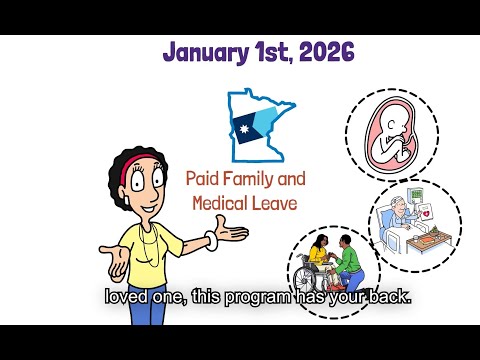
The fundamental purpose of paid family leave centers on providing compensation when employees must step away from work to care for family members. This includes caring for a newborn child during the first year after birth or placement for adoption or foster care. Employees can also access benefits to care for a spouse, child, or parent with a serious health condition. Some state programs extend coverage to include caring for a domestic partner or other designated family members.
Qualifying Life Events
Paid family leave programs typically recognize several categories of qualifying life events. Birth and bonding with a new child represents the most commonly accessed benefit, allowing parents to take compensated time to establish routines and care for infants. Adoption and foster care placements also qualify, providing families time to adjust to new family arrangements without sacrificing income.
- Birth, adoption, or foster care placement of a child
- Care for spouse, child, or parent with serious health condition
- Military exigency when a family member is on active duty
- Care for domestic partner in some state programs
Employees dealing with their own serious health conditions may access separate disability benefits rather than family leave, though some state programs allow coordination of multiple leave types. Understanding these distinctions helps employees select the most appropriate benefit pathway.
How the New Law Compares to Existing Programs
The new paid family leave legislation builds upon rather than replaces existing leave protections. The Family and Medical Leave Act remains in effect, providing job-protected unpaid leave for eligible employees. When combined with state paid family leave programs, employees can potentially receive both compensation and job protection during qualifying leave periods.
One significant improvement involves the elimination of the unwieldy designation of leave that previously required employees to exhaust vacation or sick time before accessing protected leave. Many state programs now allow employees to supplement paid family leave with employer-provided paid time off, creating a more flexible benefits package. This flexibility proves particularly valuable for employees who want to extend their leave duration beyond what state programs provide.
Another meaningful difference involves job protection. While FMLA provides strong job protection for eligible employees, not all employees qualify for FMLA coverage. Smaller employers and employees with shorter tenure may not have FMLA protections. State paid family leave programs vary in the job protection they offer, with some states providing stronger protections than others. Employees should understand both the compensation and job security aspects of their available leave options.
Integration with Employer Benefits
Many employers have developed their own paid family leave programs that supplement state benefits. Large employers, particularly in competitive industries, often offer more generous leave policies as recruitment and retention tools. The new state programs typically coordinate with employer plans rather than replacing them entirely.
- State benefits serve as a floor, not a ceiling, for most employer plans
- Employer policies may provide additional weeks of paid leave
- Some employers allow employees to supplement state benefits with PTO
- Hybrid approaches maximize total leave duration and compensation
Employees should review their employer’s complete benefits package to understand how state and employer programs work together. Human resources departments can clarify specific coordination rules and help employees plan optimal leave strategies.
Impact on Working Parents and Caregivers
The expansion of paid family leave creates tangible improvements in the lives of working parents and caregivers. Research consistently demonstrates that access to compensated leave improves health outcomes for both parents and children. Mothers who take paid leave show lower rates of postpartum depression and are more likely to establish successful breastfeeding relationships. Fathers who take paternity leave demonstrate stronger father-child bonding and increased involvement in childcare responsibilities.
Beyond the immediate benefits of leave time, these programs address long-term career impacts. Without paid leave, many employees—particularly women—face difficult decisions about workforce participation after having children. The financial burden of unpaid leave forces some workers to return to employment before they are ready, while others leave the workforce entirely. Paid family leave programs help employees maintain career continuity while meeting family responsibilities.
Caregivers caring for seriously ill family members also benefit substantially from paid leave programs. These employees often face extended periods of reduced income while providing critical support during family health crises. The compensation provided by paid family leave programs helps families maintain financial stability during otherwise disruptive periods.
What Employers Need to Implement
Employers face significant implementation responsibilities as paid family leave programs expand. Compliance requirements include proper payroll deductions, accurate benefit calculations, and timely processing of leave requests. Employers must also communicate program details effectively to employees and maintain records required for program administration.
Most state paid family leave programs operate through a shared funding model. Employers collect employee contributions through payroll deductions and, in some states, contribute employer shares as well. These contributions fund the state programs that provide benefits directly to employees. Employers must register with appropriate state agencies, set up payroll deduction systems, and submit required contributions on schedule.
Employer Compliance Requirements
Meeting compliance obligations requires attention to several operational areas. Payroll systems must be configured to collect correct contribution amounts based on employee wages. Employers must maintain accurate records of employee wages, hours worked, and leave taken. Processing leave requests involves verifying employee eligibility, calculating benefit amounts, and coordinating with state agencies.
- Register with state paid family leave programs
- Configure payroll systems for contribution collection
- Train HR personnel on program requirements and employee communications
- Establish processes for leave request intake and verification
- Coordinate with state agencies for benefit administration
Employers should also review their own policies to ensure compliance with both state and federal requirements. This includes updating employee handbooks, revising leave request procedures, and ensuring that job descriptions and employment policies align with legal requirements.
Steps to Apply for Paid Family Leave Benefits
Employees seeking paid family leave benefits should begin the application process well before their planned leave start date. Most state programs require advance notice for planned leaves, though emergency provisions exist for urgent situations. Understanding the application process helps employees avoid delays in benefit payments.
The first step involves determining eligibility based on state program requirements. Employees should review their state’s eligibility criteria, which typically include minimum work hours or earnings during a base period. If eligible, employees must complete required forms and submit supporting documentation. Birth parents usually need to provide documentation of pregnancy and expected due date, while those caring for ill family members need medical certification from healthcare providers.
Application Documentation
Completing a successful application requires gathering appropriate documentation. Birth and adoption situations typically require birth certificates, adoption placement documents, or hospital records. Medical certification for family member illness requires forms completed by the family member’s healthcare provider, confirming the serious health condition and the need for family care.
- Proof of employment and earnings (W-2 forms, pay stubs)
- Birth certificate or adoption placement documentation
- Medical certification for family member serious health condition
- Military orders for military exigency leave
- Completed state application forms
Employees should submit applications through their state’s designated portal or paper forms as directed. Most states now offer online application systems that streamline the process and provide status tracking. Applications typically take several weeks to process, so planning ahead proves essential.
Future Outlook and Policy Changes
The paid family leave landscape continues to evolve as states refine their programs and as federal discussions progress. Several states are considering expansions that would increase benefit durations, raise compensation rates, or extend coverage to additional family relationships. Employees should monitor developments in their state legislatures to stay informed about changing benefits.
Federal paid family leave legislation has been introduced repeatedly in Congress, though comprehensive federal programs have not yet passed. The ongoing debate reflects continued recognition of the importance of paid family leave, even as political divisions prevent consensus on program design. Regardless of federal action, state programs will likely continue expanding as voter and legislative support grows.
Employer-provided paid family leave benefits are also likely to increase in prevalence. As competition for talent intensifies, more employers recognize that robust family leave offerings serve as valuable recruitment and retention tools. The combination of state programs and employer benefits creates increasingly comprehensive coverage for American workers.
Preparing for Changes
Employees can take proactive steps to prepare for paid family leave changes. Understanding current benefits available in their state and through their employer helps employees make informed decisions. Tracking work hours and earnings maintains eligibility documentation. Reviewing employer policies and discussing leave options with HR representatives ensures employees understand their complete benefits picture.
- Monitor state legislative developments affecting paid family leave
- Track work history and earnings for eligibility documentation
- Review and understand employer benefit policies
- Plan ahead for anticipated leave needs
- Communicate with employers about leave intentions
Being informed about available benefits positions employees to take full advantage of the protections and compensation they have earned through their work.
| Key Point | Brief Description |
|---|---|
| Benefit Duration | State programs provide 8-12 weeks of paid leave for qualifying family events |
| Compensation Rate | Benefits range from 60-90% of average weekly wages depending on state |
| Qualifying Events | Birth, adoption, care for seriously ill family members, and military exigency |
| Funding Mechanism | Employee payroll deductions supplement employer contributions in most states |
Frequently Asked Questions
How do I know if I qualify for paid family leave in my state?▼Eligibility requirements vary by state but typically require minimum work hours or earnings during a base period. Most states require between 600-1,000 hours of work in the preceding year, or earnings above a minimum threshold. Check your state’s specific requirements through the state labor department or paid family leave program website.
Can I take paid family leave more than once per year?▼Most state programs limit paid family leave to a certain number of weeks per year, typically 8-12 weeks. However, you may be able to take separate leaves for different qualifying events, such as caring for a newborn and later caring for an ill parent. Some states allow leave splitting, enabling employees to take non-consecutive leave periods.
Does my employer have to hold my job while I’m on paid family leave?▼Job protection varies depending on the state program and whether you qualify for FMLA protection. FMLA provides job-protected unpaid leave for eligible employees at covered employers. Some state programs add their own job protection provisions, while others do not. Check both federal and state requirements to understand your specific job protection.
How is my benefit amount calculated?▼State programs calculate benefits based on your average weekly wage during a base period, typically the highest quarter of earnings in the preceding year. Most programs pay a percentage of this average, ranging from 60-90% depending on the state. Some states use tiered systems that provide higher percentages for lower-wage workers.
Can my employer require me to use my vacation time before taking paid family leave?▼State programs generally cannot require employees to exhaust other paid leave before accessing paid family leave benefits. However, some states allow employees to choose to supplement their state benefits with employer-provided paid time off. Employers may have policies encouraging leave coordination, but cannot typically mandate vacation use.
Conclusion
The expansion of paid family leave represents a fundamental shift in American workplace benefits, creating meaningful support for employees navigating family responsibilities. Understanding available benefits, eligibility requirements, and application procedures positions workers to make informed decisions about taking leave. As programs continue to evolve and expand, staying informed about changes in state and employer policies ensures employees can fully access the compensation and job protection they deserve. Whether welcoming a new child, caring for an ill family member, or addressing military exigencies, paid family leave programs provide critical financial support during life’s most important moments.