
Percale vs Sateen Cotton Sheets: Which Is Best for Warm Sleepers
Advertisements
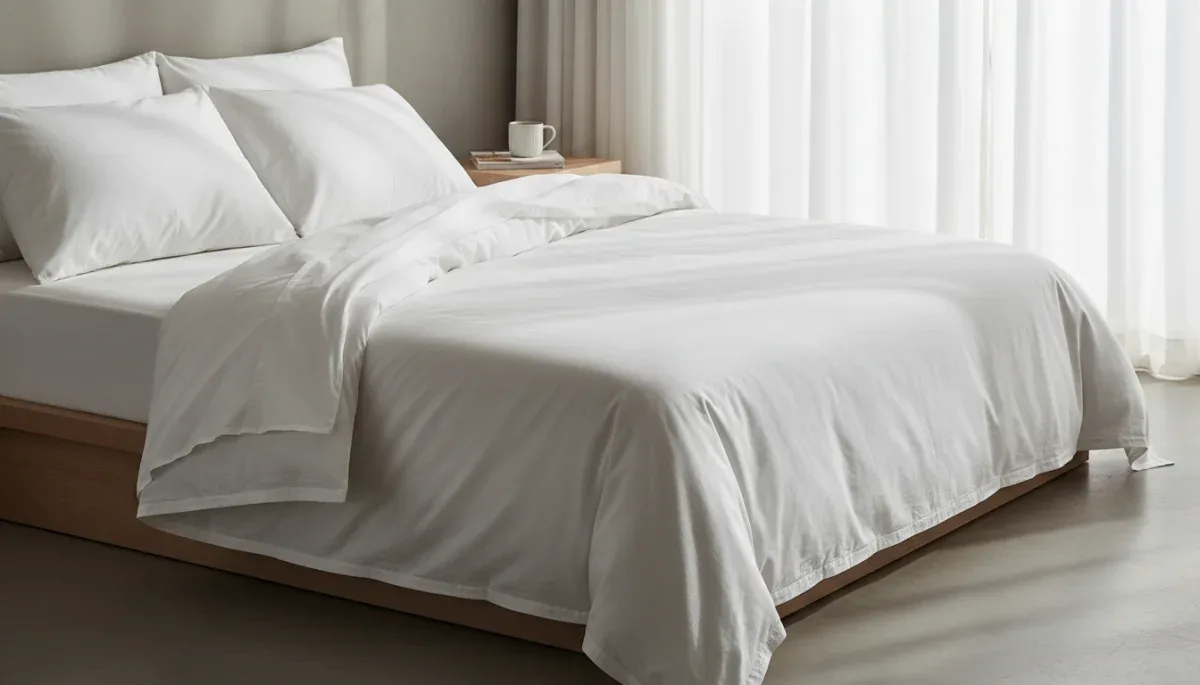
Percale cotton sheets are the better choice for warm sleepers because their traditional plain weave promotes steady airflow and prevents body heat from building up overnight. People who wake up feeling overheated or who live in humid climates benefit the most from this lightweight, breathable fabric, though sleepers who prefer an ultra-smooth, drape-heavy feel may find its initial crispness less cozy than expected.
Both percale and sateen come from genuine cotton fibers, yet their construction creates distinctly different sleeping environments. Understanding the mechanics of how yarn is woven into cloth reveals why one fabric feels cool and crisp like a classic dress shirt, while the other offers a heavier, luminous drape that gently hugs the body and retains ambient heat.
Understanding the difference in weave construction
The difference between percale and sateen lies entirely in the mechanical pattern of the weave rather than the type of cotton plant harvested. Percale uses a basic one-over, one-under plain weave structure. In this balanced grid, warp and weft threads alternate evenly across the entire surface. This classic geometry creates microscopic gaps between the intersecting yarns, functioning like a natural ventilation system. Air moves freely through the fabric, allowing heat and moisture generated by your body to escape into the room.
Anúncios
In contrast, sateen utilizes a satin weave structure adapted for cotton yarns, typically following a three-over, one-under or four-over, one-under pattern. By floating multiple vertical threads over a single horizontal thread, the fabric exposes a larger surface area of continuous fiber on the top side. This specialized arrangement yields several noticeable physical attributes:
- Surface sheen: The exposed yarn surface reflects light evenly, giving the fabric a soft, low-luster glow.
- Thermal density: Floated threads pack closer together, forming a tighter barrier that reduces direct airflow.
- Heavier drape: The structure produces a fluid, weighty cloth that settles closely against your skin.
- Silky hand feel: The uninterrupted thread exposure feels exceptionally smooth immediately out of the packaging.
Because sateen sits closer to the body and creates a tighter physical barrier, it traps warm air beneath the covers. Percale remains structurally rigid enough to stand away from the skin slightly, which encourages continuous micro-circulation throughout the night.
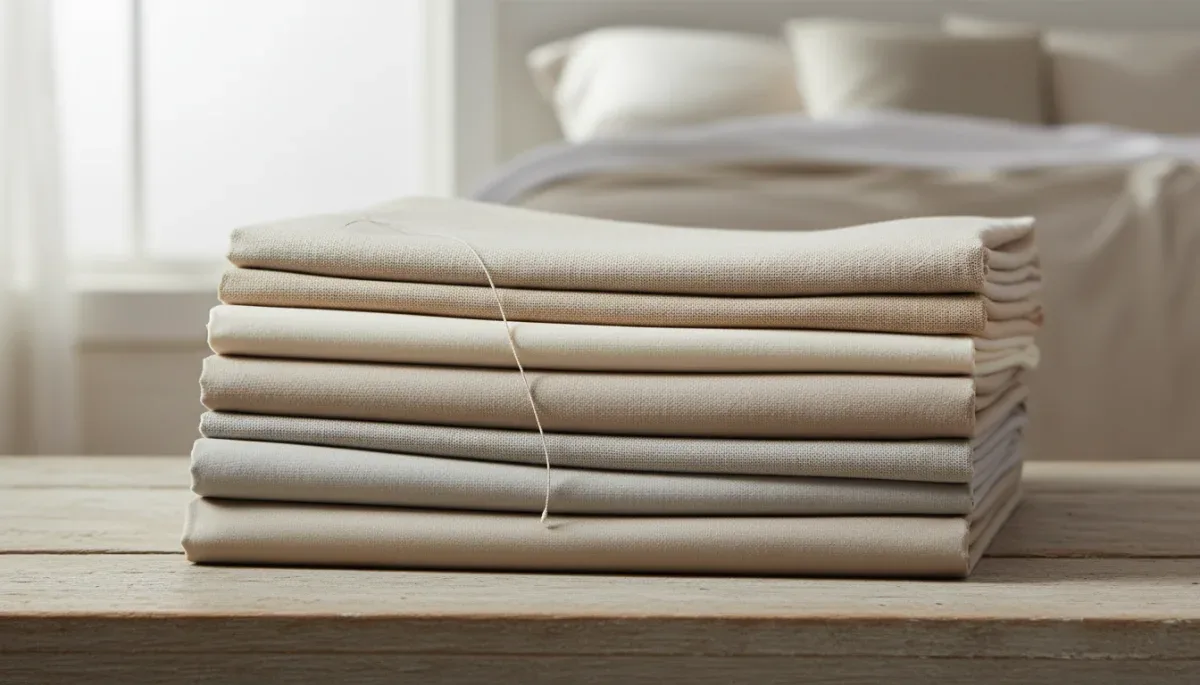
How fabric breathability affects warm sleepers
Body temperature naturally fluctuates across sleep stages, with human physiology requiring a slight drop in core temperature to initiate and maintain deep sleep. When bedding traps warm air and moisture, your body expends extra energy trying to cool down, frequently leading to sleep fragmentation, night sweats, and tossing and turning. Fabric breathability directly governs how efficiently excess thermal energy dissipates from your mattress surface.
Anúncios
Percale sheets excel at thermal regulation because their open, matte weave prevents moisture vapor from lingering against the skin. When sweat evaporates quickly, the natural cooling process works without obstruction. Warm sleepers who choose percale notice that the fabric remains dry to the touch even during warm summer nights or in apartments with fluctuating indoor climates.
Sateen sheets retain body heat due to their compact yarn arrangement. While this makes sateen comfortable in drafty rooms or throughout chilly winter months, warm sleepers often report feeling trapped in a pocket of warm air. The fabric absorbs moisture, but the tight weave slows evaporation, creating a humid microclimate underneath the duvet that disrupts rest.
The truth about thread count and cooling performance
Marketing campaigns have spent decades training shoppers to view thread count as the primary indicator of sheet quality, but high numbers often work against warm sleepers. Thread count measures the number of horizontal and vertical yarns per square inch of fabric. Beyond a certain density, adding more threads simply closes the open spaces required for air movement, creating a heavy sheet that traps heat regardless of weave style.
For percale sheets, the optimal thread count ranges between 200 and 400. In this bracket, single-ply cotton yarns provide outstanding durability, structural integrity, and maximum airflow. A 250 or 300 thread count percale sheet will feel lighter and sleep noticeably cooler than a 600 thread count option that uses twisted, multi-ply threads to inflate package numbers artificially.
Key thread count benchmarks for hot sleepers
- 200 to 300 thread count: The lightest and most breathable category for percale, offering maximum ventilation for severe night sweats.
- 300 to 400 thread count: The standard balance of durability, crispness, and reliable cooling performance.
- 400 to 600 thread count: Common for sateen sheets to maintain silkiness, though significantly warmer for hot sleepers.
- Over 600 thread count: Often indicates multi-ply yarn construction that decreases airflow and increases heat retention.
Cotton fiber types and their impact on comfort
The staple length of the raw cotton fiber plays an equally decisive role in how percale and sateen perform over years of laundering. Staple length refers to the physical length of the individual cotton fibers harvested from the boll. Longer fibers spin into finer, smoother, and significantly stronger yarns that resist fraying, breakage, and surface pilling.
Extra-long staple cotton varieties, such as authentic Egyptian cotton and certified Supima cotton grown in the United States, represent the highest benchmark. When woven into percale, long-staple yarns create a lightweight fabric that feels soft rather than coarse, maintaining structural resilience through repeated wash cycles. Standard short-staple cotton produces weaker yarns with numerous exposed fiber ends that can feel scratchy in a percale weave or pill quickly in a sateen weave.
Shoppers comparing sheet sets should look for clear labeling such as 100 percent long-staple cotton or Supima cotton. Blends that incorporate synthetic fibers like polyester might resist wrinkles, but synthetics are hydrophobic plastics that block airflow and exacerbate overheating during sleep.
Durability, texture changes, and long-term care
Percale and sateen age differently due to their surface mechanics. Percale sheets are renowned for their longevity. While they may feel somewhat stiff or starchy when brand new, the plain weave relaxes and softens with every wash cycle without losing its crisp structure. Because every thread is firmly locked into an alternating grid, percale resists snags, friction wear, and fabric thinning over time.
Sateen sheets start out with a remarkably smooth hand feel, but their long surface floats make them vulnerable to friction damage. Rubbing from rough skin, jewelry, or regular laundering can snag the floating yarns, causing premature pilling and reducing the fabric luster over time. Sateen sheets also tend to show wear faster in high-friction areas such as the lower half of the fitted sheet.
Best laundering practices for cotton bedding
- Wash temperature: Use cool or warm water settings on a gentle cycle to preserve fiber elasticity and prevent shrinkage.
- Detergent selection: Select mild liquid detergents and avoid chlorine bleach, which weakens natural cotton cellulose.
- Fabric softeners: Skip liquid softeners and dryer sheets, as they coat cotton fibers with chemical residues that block breathability.
- Drying technique: Tumble dry on low heat and remove sheets while slightly damp to minimize deep wrinkles naturally.
At a glance
| Factor | What to know |
|---|---|
Frequently asked questions
Do percale sheets wrinkle more easily than sateen?
Yes, percale sheets wrinkle more readily because pure cotton plain weaves lack synthetic anti-wrinkle coatings and floating yarns. Shaking the sheets out between the wash and dry cycles, drying on low heat, and placing them directly onto the mattress while slightly warm keeps wrinkling manageable.
Can warm sleepers use sateen sheets comfortably in winter?
Warm sleepers can sometimes use lightweight sateen sheets in cold winter months if their bedroom temperature stays cool. However, individuals prone to regular night sweats or hot flashes will still experience better temperature consistency with percale sheets paired with seasonal blankets.
Why do new percale sheets feel stiff when unpacked?
New percale sheets feel stiff due to the natural tension of tight plain weaving and leftover plant starches used during manufacturing. The fabric softens substantially after two or three cycles through the washing machine as the cotton fibers open up and relax.
Is a higher thread count always better for cooling?
No, higher thread counts reduce airflow by packing more fibers into each square inch of fabric. For optimal cooling performance, hot sleepers should choose percale sheets between 200 and 400 thread count made from single-ply, long-staple cotton yarns.
The bottom line
Percale cotton sheets remain the clear choice for warm sleepers who need lightweight breathability, continuous airflow, and a crisp, cool-to-the-touch surface that prevents night sweats. Sateen sheets provide luxurious softness and rich drape for cooler bedrooms, but their dense weave traps body heat. Before making a purchase, verify that the packaging specifies 100 percent long-staple cotton and single-ply yarn rather than an inflated thread count.
Written by
Maria Eduarda
Journalism student at Puc Minas College, who is very interested in the world of finance. Always looking for new learning and good content to produce.