
Advertisements
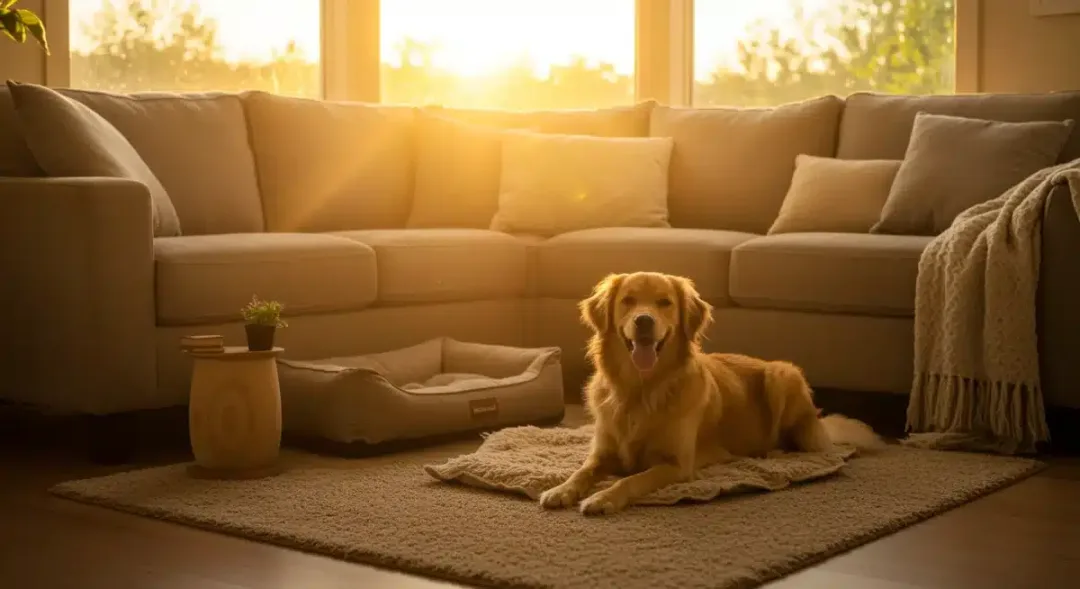
Creating a pet-friendly home involves selecting durable furniture, implementing safety measures, providing comfortable resting spots, and organizing pet supplies while maintaining a stylish living environment that accommodates your furry family members.
Your home should be a sanctuary not just for you, but for your beloved pets as well. Whether you share your space with a playful puppy, a curious cat, or a senior companion, creating a pet-friendly home requires thoughtful consideration of their needs while maintaining your personal style. This guide explores practical solutions, essential products, and design strategies that transform any living space into a comfortable haven for furry friends across the United States.
Essential Furniture for Pet Owners
Choosing the right furniture when you have pets requires balancing aesthetics with durability. Pets naturally gravitate toward the same seating we use, so selecting pieces that can withstand daily use becomes essential. Modern pet owners are increasingly opting for furniture that combines functionality with pet-friendly features.
Anúncios
When shopping for sofas and chairs, consider materials that resist scratches and are easy to clean. Microfiber and leather options have gained significant popularity among pet owners because they repel fur and can be wiped clean quickly. Some manufacturers now offer furniture specifically designed with removable, washable covers—a feature that proves invaluable for households with pets prone to accidents or shedding.
Pet-Specific Furniture Pieces
- Built-in pet beds integrated into coffee tables provide comfort while maintaining a cohesive look
- Elevated food and water stations help improve digestion and reduce strain on pets’ necks
- Storage ottomans that double as seating and pet supply organizers
- Sofas with hidden compartments for storing toys, treats, and leashes
Investing in quality pet furniture doesn’t mean sacrificing your design vision. Many contemporary pieces now feature clean lines and neutral colors that complement various interior styles. The key lies in selecting items that serve dual purposes—providing comfort for your pets while seamlessly integrating into your home’s aesthetic.
Beyond seating, consider the placement of furniture to create clear pathways for pets. Cats especially appreciate having multiple routes to navigate rooms, preventing them from feeling trapped or cornered. Strategic furniture arrangement promotes exercise and mental stimulation while reducing stress for both pets and their owners.
Anúncios

Safety First: Pet-Proofing Your Living Space
Creating a safe environment ranks among the most important responsibilities for pet owners. Domestic accidents involving electrical cords, toxic plants, and unsecured furniture send thousands of pets to emergency veterinary clinics annually. Taking proactive safety measures protects your furry companions while providing peace of mind.
Start by securing heavy furniture items to walls using anti-tip straps. Televisions, bookcases, and large dressers pose significant risks to curious pets who might attempt to climb or push against them. Anchoring these pieces prevents potentially fatal accidents, especially in homes with kittens or puppies still learning their surroundings.
Essential Safety Modifications
- Install outlet covers and cord concealers to prevent chewing accidents
- Remove or secure toxic plants including lilies, azaleas, and philodendrons
- Add childproof locks to cabinets containing cleaning supplies and medications
- Install window guards or pet-safe screens on upper-floor windows
Electrical safety deserves particular attention for households with puppies or young cats. Exposed cords resemble tempting toys to curious animals, potentially causing severe burns or cardiac arrest. Cable management systems and cord covers eliminate this danger while keeping your space organized. Many pet owners find that wireless charging stations and smart home devices reduce cord clutter significantly.
Another critical aspect involves securing trash cans and recycling bins. Pets naturally investigate food scraps, but discarded materials can cause serious health issues. Bins with locking lids or ones stored inside cabinets prevent unwanted scavenging. Similarly, keeping medication in high cabinets and using pill organizers protects pets from accidental ingestion.
Creating Comfortable Rest Areas
Quality rest directly impacts your pet’s health, behavior, and overall happiness. Dogs require approximately twelve to fourteen hours of sleep daily, while cats sleep up to sixteen hours. Providing appropriate resting options throughout your home supports these natural sleep patterns and gives pets their own designated spaces.
Location matters significantly when placing pet beds. Dogs typically prefer areas with good sightlines to their owners, allowing them to feel part of the family while resting. Cats often seek elevated spots or quiet corners where they can observe without being disturbed. Offering multiple sleeping options throughout your home gives pets choices based on their mood and energy levels.
Choosing the Right Bed
- Orthopedic beds support senior pets and those with joint issues
- Heated beds provide comfort for pets with arthritis or those who feel cold easily
- Donut-shaped beds offer security for anxious pets who like to curl up
- Cooling mats help pets regulate temperature during hot summer months
Bedding materials should be hypoallergenic and machine washable. Pets with allergies benefit from beds made with bamboo fibers or organic cotton. Regular washing removes allergens, dander, and bacteria that accumulate over time. Investing in protective covers extends the life of pet beds while simplifying maintenance routines.
Temperature control plays a vital role in comfort as well. Pets with thick coats may overheat in warm rooms, while short-haired breeds get cold easily. Providing climate-controlled spaces or offering both warm and cool resting options ensures year-round comfort. Some pet owners find that automatic pet water fountains encourage proper hydration, contributing to overall health and comfort.
Pet-Friendly Flooring and Fabrics
Flooring choices significantly impact both pet welfare and home maintenance. Scratches, stains, and fur accumulation present ongoing challenges for pet owners. Selecting appropriate materials from the start reduces long-term stress and expense while keeping your home looking its best.
Hard surface flooring like tile, luxury vinyl plank, and hardened hardwood floors rank among the most practical choices for pet households. These materials resist scratches from claws, repel liquids, and clean easily when accidents occur. Modern options convincingly mimic natural wood and stone textures, providing aesthetic appeal without the maintenance concerns.
Flooring Comparison
- Tile flooring offers maximum durability and water resistance but can be cold for pets
- Luxury vinyl planks provide scratch resistance and comfort underfoot
- Engineered hardwood balances aesthetics with improved moisture resistance
- Concrete flooring works well for mudrooms and provides ultimate durability
For carpeted areas, synthetic fibers like nylon and polyester outperform natural materials in durability and stain resistance. Many manufacturers now offer pet-specific carpet lines featuring stain-resistant technology and antimicrobial treatments. Regular professional cleaning maintains carpet quality and removes allergens that accumulate in fibers.
Window treatments require similar consideration. Cats climbing drapes or pulling down blinds presents safety hazards and damages window treatments. Motorized shades operated by remote or smartphone eliminate cord dangers while providing sleek aesthetics. Roman shades made from durable materials offer better resistance to claws than delicate fabrics.
Organization and Storage Solutions
Effective pet supply organization keeps your home tidy while making daily care routines more efficient. Dedicated storage areas for food, toys, grooming supplies, and medications prevent clutter from accumulating throughout your living space. Thoughtful organization also helps track inventory and expiration dates on pet products.
Consider converting a closet or cabinet into a dedicated pet supply station. Installing pull-out shelves and clear containers allows easy access to items while maintaining visual organization. Labeling containers for different categories—food, treats, toys, medical supplies—creates a systematic approach that saves time during busy mornings.
Storage Ideas
- Over-the-door organizers store leashes, collars, and grooming tools
- Rolling carts provide mobile storage for multi-room use
- Clear bins allow quick identification of contents without opening containers
- Wall-mounted hooks keep leashes accessible but organized
Designated spaces for pet gear near entry points simplify walks and outdoor adventures. A mudroom or hallway with built-in cubbies provides perfect storage for leashes, outdoor gear, and paw cleaners. This prevents the last-minute scramble when excitement builds for walks or outdoor play.
Toy management presents particular challenges, especially for households with multiple pets. Rotating toys weekly prevents boredom while keeping storage manageable. Some pet owners use decorative baskets or woven containers that blend with home decor, making toy storage aesthetically pleasing rather than an eyesore.
Outdoor Access and Pet-Friendly Yards
For many American pet owners, outdoor spaces extend living areas and provide essential exercise opportunities. Creating a safe, engaging outdoor environment requires attention to fencing, landscaping, and weather considerations. Whether you have a sprawling backyard or a modest patio, thoughtful design maximizes the utility of outdoor spaces.
Fencing serves as the primary safety barrier for pets spending time outdoors. Traditional wooden fences work well but require maintenance, while vinyl and metal options offer durability with minimal upkeep. Underground electric fences provide invisible boundaries but require proper training and ongoing collar maintenance. For cats, enclosed catios or screened porches provide outdoor access without escape risks.
Yard Essentials
- Shaded areas protect pets from overheating during summer months
- Self-watering bowls ensure hydration during hot weather
- Smooth pathways prevent paw injuries from rough terrain
- Designated digging areas satisfy natural digging instincts
Landscaping choices impact pet safety significantly. Avoid toxic plants including sago palms, certain lilies, and azaleas that can cause serious illness if ingested. Provide grass or pet-safe ground covers that resist damage from running and playing. Some pet owners create designated play zones with artificial turf or compacted dirt paths that withstand heavy use.
Weather considerations matter throughout the year. Providing shelter from sun and rain ensures comfortable outdoor time regardless of conditions. Heated pads for winter use and cooling stations for summer help pets regulate temperature safely. Some pet owners install outdoor cameras to monitor their pets while they’re away, providing peace of mind about outdoor safety.
| Key Point | Brief Description |
|---|---|
| Durable Furniture | Choose microfiber or leather furniture with removable, washable covers to withstand daily pet use. |
| Safety Measures | Secure heavy furniture, cover electrical cords, remove toxic plants, and install safety latches on cabinets. |
| Comfortable Rest Areas | Provide orthopedic beds, heated pads, and multiple resting options throughout your home for optimal pet comfort. |
| Smart Storage | Organize pet supplies with labeled containers, dedicated stations, and rotation systems for toys and supplies. |
Frequently Asked Questions
What flooring is best for homes with pets?▼Tile, luxury vinyl plank, and engineered hardwood rank as the best flooring options for pet households. These materials resist scratches, repel stains, and clean easily when accidents occur. Avoid softwoods like bamboo and maintain consistent humidity levels to prevent warping.
How often should I wash my pet’s bedding?▼Pet bedding should be washed weekly at minimum using hot water to eliminate allergens, bacteria, and parasites. Pets with allergies or skin conditions may require more frequent washing. Using protective covers and rotating between two beds simplifies maintenance while ensuring always-clean sleeping areas.
What safety modifications are essential for new puppy owners?▼New puppy owners should secure electrical cords, install baby gates on stairs, remove toxic plants, and use childproof latches on cabinets. Crate training provides a safe space when supervision isn’t possible. Setting up a designated area with appropriate chew toys prevents destructive behavior during the teething phase.
How can I make my home more comfortable for senior pets?▼Senior pets benefit from orthopedic beds with memory foam, ramps for furniture access, non-slip mats on hard floors, and heated pads for aching joints. Reducing stairs, providing easy access to food and water, and maintaining consistent temperatures help aging pets navigate your home comfortably.
What plants are safe to keep in a pet-friendly home?▼Safe plant options include spider plants, Boston ferns, African violets, and bamboo palm. Always research before introducing new plants, as many common houseplants like lilies, philodendrons, and pothos are toxic to pets. Place unsafe plants in rooms pets cannot access or opt for artificial alternatives.
Conclusion
Creating a pet-friendly home involves thoughtful integration of safety, comfort, and style throughout your living space. By selecting durable materials, implementing proper safety measures, providing comfortable rest areas, and maintaining organized storage systems, you create an environment where both pets and humans thrive. The investment in pet-appropriate furnishings and modifications pays dividends through reduced stress, fewer veterinary visits, and enhanced quality of life for your furry family members. Remember that small changes accumulate over time—starting with the most critical safety modifications and gradually building toward your ideal pet-friendly home makes the process manageable and rewarding for the entire household.