
Advertisements
The transition of high-fashion trends to American street style is driving major shifts in urban aesthetics. Based on current insights from industry experts and trend forecasters, this report analyzes four pivotal runway trends adapting to everyday wardrobes.
This straightforward overview details what has changed, why these shifts matter, and the key consumer preferences to watch next.
The Evolving Landscape of American Street Style
American street style in early 2026 is undergoing a fascinating transformation, moving beyond fleeting micro-trends to embrace more enduring and impactful sartorial statements.
Anúncios
This evolution reflects a broader cultural shift towards conscious consumption and individual expression, deeply influenced by global events and technological advancements.
Designers are increasingly looking to bridge the gap between aspirational runway presentations and the practicalities of daily wear.
The result is a more cohesive and accessible fashion narrative, where high-concept ideas are distilled into wearable forms that resonate with diverse demographics across the United States.
Anúncios
This dynamic interplay between high fashion and everyday attire ensures that trends are not merely dictated but organically adopted and adapted by the public.
The focus remains on authenticity and personal interpretation, making each trend a canvas for individual creativity.
Deconstructed Tailoring: A New Formality
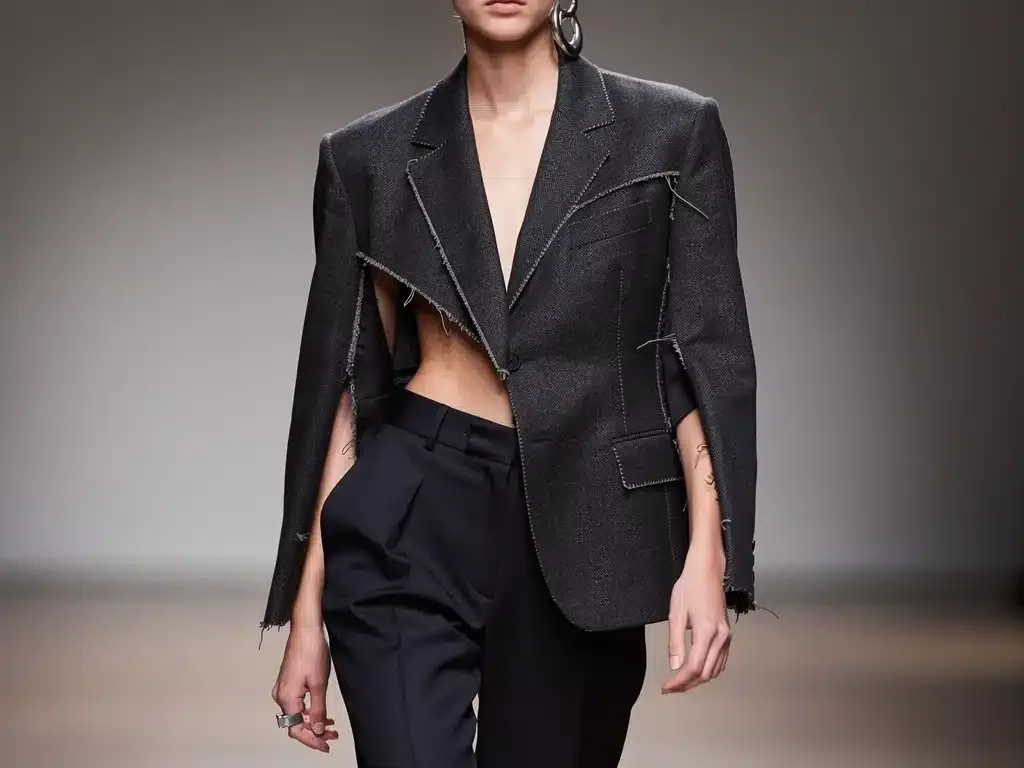
Deconstructed tailoring is emerging as a dominant force, challenging traditional notions of formal wear by introducing an element of effortless sophistication.
This trend features oversized blazers, asymmetric cuts, and unexpected fabric pairings, moving away from rigid structures towards a more fluid and comfortable silhouette.
The appeal lies in its versatility, allowing individuals to blend professional aesthetics with casual ease.
Expect to see blazers with cut-outs, trousers with adjustable waistbands, and shirts with unconventional fastenings, all contributing to a relaxed yet polished appearance that is ideal for the modern urban environment.
This approach to tailoring redefines power dressing, favoring comfort and individual expression over strict adherence to conventional norms.
It speaks to a generation that values both practicality and a distinctive stylistic edge, reflecting a shift in how formality is perceived in contemporary society.
Eco-Conscious Futurism: Sustainable Aesthetics
Eco-conscious futurism represents a significant movement towards sustainable fashion, integrating innovative materials and environmentally friendly production methods with forward-thinking design.
This trend emphasizes recycled fabrics, organic textiles, and biodegradable components, all while maintaining a sleek, modern aesthetic.
Consumers are increasingly demanding transparency and ethical practices from brands, driving a shift towards garments that are not only stylish but also kind to the planet.
Expect to see a rise in bio-engineered textiles, upcycled designs, and minimalist silhouettes that prioritize longevity and timeless appeal over fast fashion cycles.
This trend is not just about material choices; it’s a holistic approach to design that considers the entire lifecycle of a garment.
It fosters a sense of responsibility and innovation, proving that high fashion and environmental stewardship can coexist harmoniously, setting a new standard for the industry’s future.
- Use of recycled and organic fabrics becoming mainstream.
- Emphasis on minimalist designs for extended wearability.
- Brands highlighting transparent supply chains and ethical production.
The integration of technology into fabric development is also a key aspect of eco-conscious futurism. Innovations like smart textiles that regulate temperature or biodegrade faster are moving from experimental stages to commercial availability.
Vintage Revival with a Modern Twist
The enduring allure of vintage fashion is being reimagined for early 2026, with a strong emphasis on integrating classic silhouettes and archival pieces into contemporary wardrobes.
This trend is characterized by a conscious curation of historical styles, updated with modern fabrics, cuts, and accessories to create a fresh yet nostalgic look.
It’s not merely about replicating past eras but interpreting them through a modern lens, often blending elements from different decades.
Think 70s flared trousers paired with minimalist 90s tops, or 80s power shoulders softened with contemporary draping, showcasing a creative fusion of old and new.
This approach celebrates individuality and storytelling through clothing, as each vintage piece carries its own history.
It encourages consumers to invest in unique items that stand the test of time, moving away from mass-produced uniformity towards a more personalized and sustainable fashion philosophy.
The Rise of Functional Utility Wear
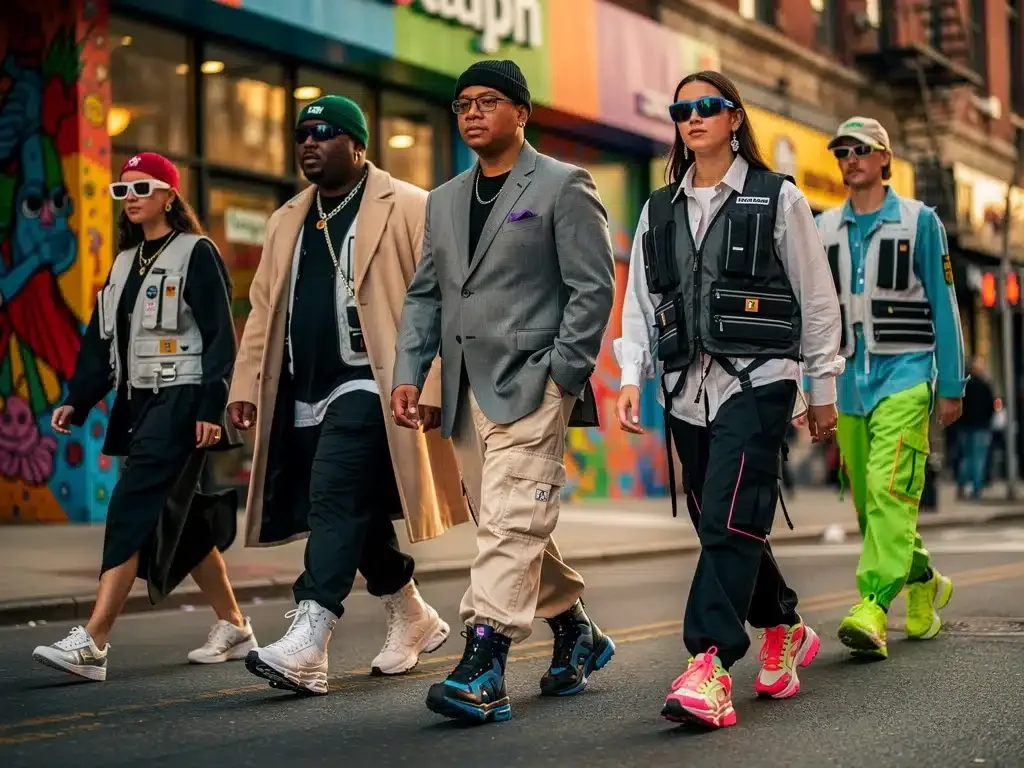
Functional utility wear continues its ascent, evolving from a niche aesthetic to a mainstream fashion statement that prioritizes practicality without compromising on style.
This trend emphasizes garments with multiple pockets, durable fabrics, and adaptable designs, catering to the demands of an active and dynamic urban lifestyle.
The influence of workwear and military-inspired aesthetics is evident, but with a refined and fashionable twist.
Expect to see cargo pants in elevated materials, multi-functional jackets with modular components, and accessories that blend seamlessly with both casual and semi-formal ensembles, highlighting the versatility of the trend.
This trend resonates deeply with consumers who value clothing that serves a purpose beyond mere aesthetics, offering comfort, durability, and convenience.
It reflects a shift towards a more pragmatic approach to dressing, where form and function are equally important, making it a staple in the evolving landscape of Runway to Reality.
- Garments designed with ample storage and robust construction.
- Modular clothing pieces allowing for customization and adaptability.
- Durable, weather-resistant fabrics gaining prominence in everyday wear.
The integration of smart textiles that offer enhanced functionality, such as moisture-wicking or UV protection, further elevates the utility wear trend.
This technological advancement ensures that garments are not only stylish but also perform optimally in various conditions.
The Influence of Digital Fashion on Physical Styles
Digital fashion, once confined to virtual realms, is now significantly influencing physical street style in early 2026.
The metaverse and virtual try-ons are shaping consumer preferences and design aesthetics, leading to a blurring of lines between digital concepts and tangible garments.
Designers are drawing inspiration from digital textures, exaggerated silhouettes, and vibrant color palettes that originate in virtual environments.
This cross-pollination results in clothing that feels innovative and futuristic, translating digital creativity into real-world wearable art that pushes conventional boundaries.
The impact extends to how fashion is consumed and perceived, with social media and digital platforms acting as primary trend accelerators.
This convergence ensures that digital innovations are rapidly adopted and adapted, making the fashion cycle more dynamic and inclusive for a global audience, especially within the context of Runway to Reality.
Gender-Fluidity and Adaptive Wear
Gender-fluidity continues to be a powerful and transformative force in fashion, manifesting in designs that transcend traditional gender binaries and promote inclusivity.
Early 2026 will see an even greater embrace of garments that are designed for all, focusing on universal appeal and individual comfort.
Adaptive wear, catering to individuals with disabilities, is also gaining significant traction, with designers incorporating practical features like magnetic closures, adjustable seams, and sensory-friendly fabrics.
This movement ensures that fashion is accessible and empowering for a wider range of body types and needs.
The emphasis is on creating clothing that empowers self-expression and offers practical solutions without compromising on aesthetic appeal.
This inclusive approach reflects a broader societal shift towards diversity and acceptance, making fashion a more equitable and representative industry, a key aspect of Runway to Reality.
The Blurring Lines Between Comfort and Luxury
Early 2026 fashion trends highlight a significant convergence between comfort and luxury, moving away from the notion that one must be sacrificed for the other.
This evolution reflects a lifestyle where ease and sophistication are equally valued, impacting both design and material choices.
High-end brands are increasingly incorporating elements of loungewear and athletic wear into their collections, utilizing sumptuous fabrics and intricate detailing to elevate casual silhouettes.
This creates a new category of luxury that feels inherently relaxed yet undeniably opulent, perfect for the modern consumer.
The demand for versatile pieces that transition seamlessly from a casual day out to an elegant evening event is growing.
This trend underscores a desire for clothing that supports a dynamic lifestyle without compromising on quality or aesthetic appeal, further defining the Runway to Reality narrative.
Hyper-Personalization and Customization
Hyper-personalization and customization are becoming pivotal aspects of fashion in early 2026, driven by advanced manufacturing techniques and consumer demand for unique products.
This trend allows individuals to tailor garments to their specific preferences, from fit to fabric and embellishments.
From bespoke services offered by luxury brands to mass customization options provided by fast fashion retailers, the ability to create unique pieces is more accessible than ever.
This fosters a deeper connection between the wearer and their clothing, transforming garments into personal statements rather than generic items.
The rise of digital design tools and 3D printing further accelerates this trend, enabling rapid prototyping and production of highly individualized items.
This shift towards personalization reflects a desire for authenticity and self-expression, making each wardrobe a curated collection of unique stories and styles, central to Runway to Reality.
Global Influences and Cultural Fusion
American street style in early 2026 is increasingly a melting pot of global influences, with designers and consumers alike drawing inspiration from diverse cultures and artistic traditions.
This trend fosters a rich tapestry of styles, blending traditional motifs with contemporary designs.
Expect to see vibrant patterns from African textiles, intricate embroidery from Asian craftsmanship, and bold silhouettes inspired by Latin American aesthetics seamlessly integrated into urban wardrobes.
This cross-cultural exchange enriches the fashion landscape, promoting diversity and celebrating global heritage.
The accessibility of international fashion through digital platforms and global travel further fuels this trend, allowing for a broader exchange of ideas and aesthetics.
This fusion creates a dynamic and ever-evolving street style that is both unique to America and globally resonant, a true Runway to Reality.
The Revival of Artisanal Craftsmanship
Amidst the technological advancements, there is a strong resurgence in the appreciation for artisanal craftsmanship.
Early 2026 sees a renewed focus on handmade details, traditional techniques, and the unique stories behind each piece, offering a counterpoint to mass production.
Consumers are increasingly seeking out garments and accessories that are ethically made and showcase human skill, from hand-knitted sweaters to intricately beaded bags.
This trend highlights the value of slow fashion and the importance of supporting local artisans and traditional crafts, adding depth to the Runway to Reality movement.
This revival not only preserves valuable cultural heritage but also offers a sense of authenticity and exclusivity that is highly coveted.
It represents a conscious decision to invest in quality and artistry, fostering a more mindful approach to consumption and a deeper connection to the clothes we wear.
| Key Trend | Brief Description |
|---|---|
| Deconstructed Tailoring | Relaxed, oversized silhouettes challenging traditional formal wear. |
| Eco-Conscious Futurism | Sustainable materials and ethical production with modern designs. |
| Functional Utility Wear | Practical, durable garments designed for dynamic urban lifestyles. |
| Vintage Revival | Classic silhouettes reimagined with modern twists and materials. |
Frequently Asked Questions About 2026 Fashion Trends
What defines the Deconstructed Tailoring trend?▼Deconstructed Tailoring is characterized by oversized blazers, asymmetric cuts, and unconventional fabric pairings. It moves away from rigid structures, favoring fluid and comfortable silhouettes that blend formal aesthetics with casual ease. This trend redefines power dressing for modern urban environments.
How does Eco-Conscious Futurism impact fashion choices?▼Eco-Conscious Futurism emphasizes sustainable practices and innovative materials like recycled fabrics and organic textiles. It drives consumers to prioritize ethical production and transparency, leading to a demand for sleek, modern designs that are both stylish and environmentally responsible, a key aspect of Runway to Reality.
What is the significance of Functional Utility Wear in early 2026?▼Functional Utility Wear gains significance by prioritizing practicality and durability without sacrificing style. It features garments with multiple pockets, robust fabrics, and adaptable designs, catering to active urban lifestyles. This trend reflects a pragmatic approach to dressing where form and function are equally important.
How is Vintage Revival being reinterpreted for modern street style?▼Vintage Revival in early 2026 involves integrating classic silhouettes and archival pieces with modern fabrics and cuts. It’s about interpreting historical styles through a contemporary lens, blending elements from different decades to create fresh, nostalgic looks that celebrate individuality and unique storytelling.
What role does digital fashion play in shaping physical trends?▼Digital fashion, including the metaverse and virtual try-ons, significantly influences physical street style by introducing new textures, exaggerated silhouettes, and vibrant color palettes. This cross-pollination blurs the lines between virtual and tangible garments, accelerating trend adoption and promoting innovative design, central to Runway to Reality.
Looking Ahead
The convergence of runway innovation and everyday practicality heralds an exciting era for American street style.
These four key trends—Deconstructed Tailoring, Eco-Conscious Futurism, Functional Utility Wear, and Vintage Revival with a Modern Twist—are not merely fleeting fads but indicators of deeper shifts in consumer values and lifestyle priorities.
Understanding this journey from runway to reality is crucial for anyone looking to stay relevant in the dynamic world of fashion.
This season, personal expression is taking an even more literal turn as enthusiasts curate wardrobes that visually reflect their personal interests, pastimes, and creative subcultures.
To see how this plays out on the streets, read more about the rising phenomenon of hobby dressing.
Ultimately, the emphasis on individuality, sustainability, and thoughtful design will continue to shape how we dress and express ourselves in the coming years.