Pokémon TCG: Spotting Fake Cards in 2025 – Your Guide
Advertisements
Protecting your collection from counterfeits is crucial for any Pokémon TCG enthusiast. This guide provides essential techniques and updated insights for 2025 to help you confidently identify and avoid fake Pokémon cards.
Anúncios
In the vibrant world of the Pokémon Trading Card Game (TCG), the excitement of collecting and battling is unmatched. However, with the rising popularity and value of certain cards, the market for counterfeits has also grown significantly. Learning Pokémon TCG: How to Spot a Fake Card in 2025 and Protect Your Collection is more critical than ever to safeguard your investments and ensure the integrity of your hobby.
Understanding the Threat: Why Fake Cards Matter
The proliferation of fake Pokémon cards poses a serious threat to collectors, both new and veteran. Beyond the financial loss, these counterfeits can diminish the joy of collecting and even impact the competitive integrity of the game. As manufacturing techniques improve, distinguishing genuine cards from fakes becomes increasingly challenging, requiring collectors to stay vigilant and informed.
Anúncios
Fake cards often lack the quality control of official products, leading to inconsistencies in color, print, and material. These discrepancies might seem minor to an untrained eye, but they are crucial indicators for authenticating a card. Understanding the motivations behind counterfeiting and the methods used by fakers can give collectors an edge in identifying fraudulent products.
The Impact on Collectors
- Financial Loss: Purchasing fake cards, especially high-value ones, can result in significant monetary loss.
- Collection Integrity: Counterfeits devalue a collection and can be difficult to sell or trade later.
- Game Play Disruption: Using fake cards in tournaments is against the rules and can lead to disqualification.
- Trust Erosion: The presence of fakes can erode trust within the trading community, making transactions riskier.
Staying informed about the latest counterfeiting trends and continuously refining your authentication skills are essential steps in protecting your collection. This foundational knowledge will serve as your first line of defense against deceptive sellers and fraudulent products.
Initial Visual Inspection: The First Line of Defense
When you first encounter a Pokémon card, a thorough visual inspection is your immediate tool for authentication. Many fake cards can be identified simply by paying close attention to their appearance. This preliminary check involves scrutinizing various elements of the card’s design and manufacturing.
Genuine Pokémon cards are produced with high-quality materials and precise printing techniques. Fakes, on the other hand, often cut corners, leading to noticeable imperfections. These imperfections can range from blurry text to incorrect colors, and even slight misalignments in the card’s overall layout.
Key Visual Cues to Examine
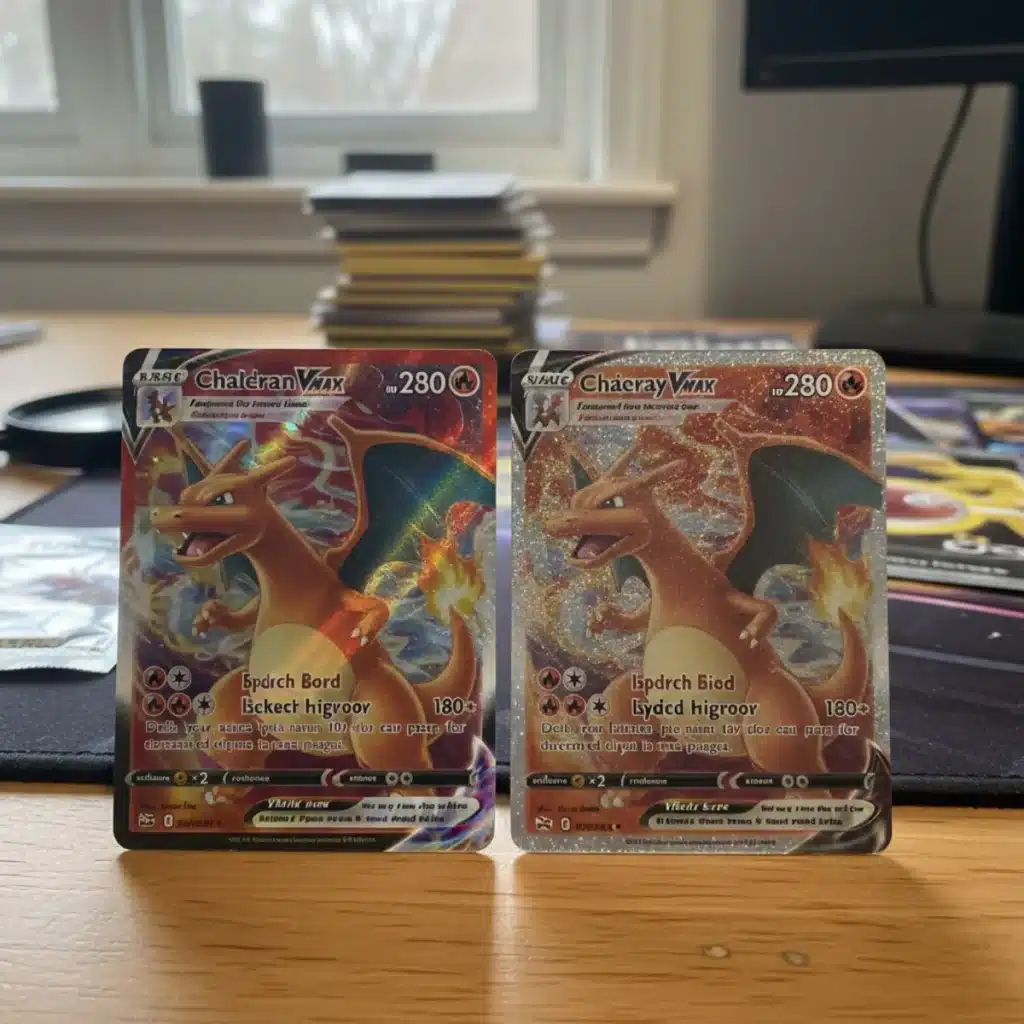
- Print Quality and Clarity: Official cards feature crisp, clear text and vibrant, well-defined artwork. Fakes often have blurry text, pixelated images, or dull colors.
- Color Saturation and Hue: Compare the card’s colors to known genuine examples. Counterfeits might have colors that are too dark, too light, or simply off-hue.
- Font and Text Consistency: Pay attention to the font used for the Pokémon’s name, HP, attacks, and flavor text. Any deviations from the standard fonts, including incorrect spacing or thickness, are red flags.
- Energy Symbols: Examine the energy symbols closely. Genuine symbols are usually perfectly centered and have consistent outlines. Fakes might have sloppy or distorted symbols.
A keen eye for detail during this initial visual inspection can quickly filter out many obvious fakes. Always have a genuine card on hand for direct comparison if you are unsure about a particular card’s authenticity.
The Texture and Feel Test: A Tactile Approach
Beyond what you can see, what you can feel is equally important in authenticating a Pokémon card. Genuine cards have a specific texture and weight that counterfeits often fail to replicate. This tactile examination can reveal subtle yet definitive differences that set real cards apart from fakes.
The material used for official Pokémon cards is designed to be durable and consistent. Counterfeiters frequently use cheaper, lower-quality cardstock, which results in a different feel. This difference can be perceived through the card’s flexibility, smoothness, and even its thickness.
What to Look For in Texture and Feel
The surface finish of a genuine card is typically smooth but not overly glossy, with a slight texture that prevents it from feeling too slick. Holographic cards, especially, have a distinct texture that is difficult for fakes to perfectly mimic. Running your finger across the card’s surface can often reveal inconsistencies.
- Card Stock Quality: Genuine cards feel substantial and have a certain rigidity. Fakes often feel flimsy, overly thin, or unusually thick.
- Surface Smoothness: While genuine cards are smooth, they aren’t slick. Fakes might feel overly shiny or rough to the touch.
- Flexibility: Gently bending a card (without creasing it) can reveal differences. Real cards have a consistent flex, while fakes might be too stiff or too pliable.
- Edge Cut: Official cards have clean, precise cuts. Fake cards might have rough, uneven, or poorly cut edges.
Developing a “feel” for genuine cards comes with experience. The more you handle authentic cards, the better you will become at detecting the subtle differences in counterfeits through touch alone.
The Light Test and Rip Test: Advanced Authentication
For more definitive authentication, especially when visual and tactile checks are inconclusive, advanced methods like the light test and, as a last resort, the rip test, can be employed. These tests provide insights into the card’s internal structure and material composition.
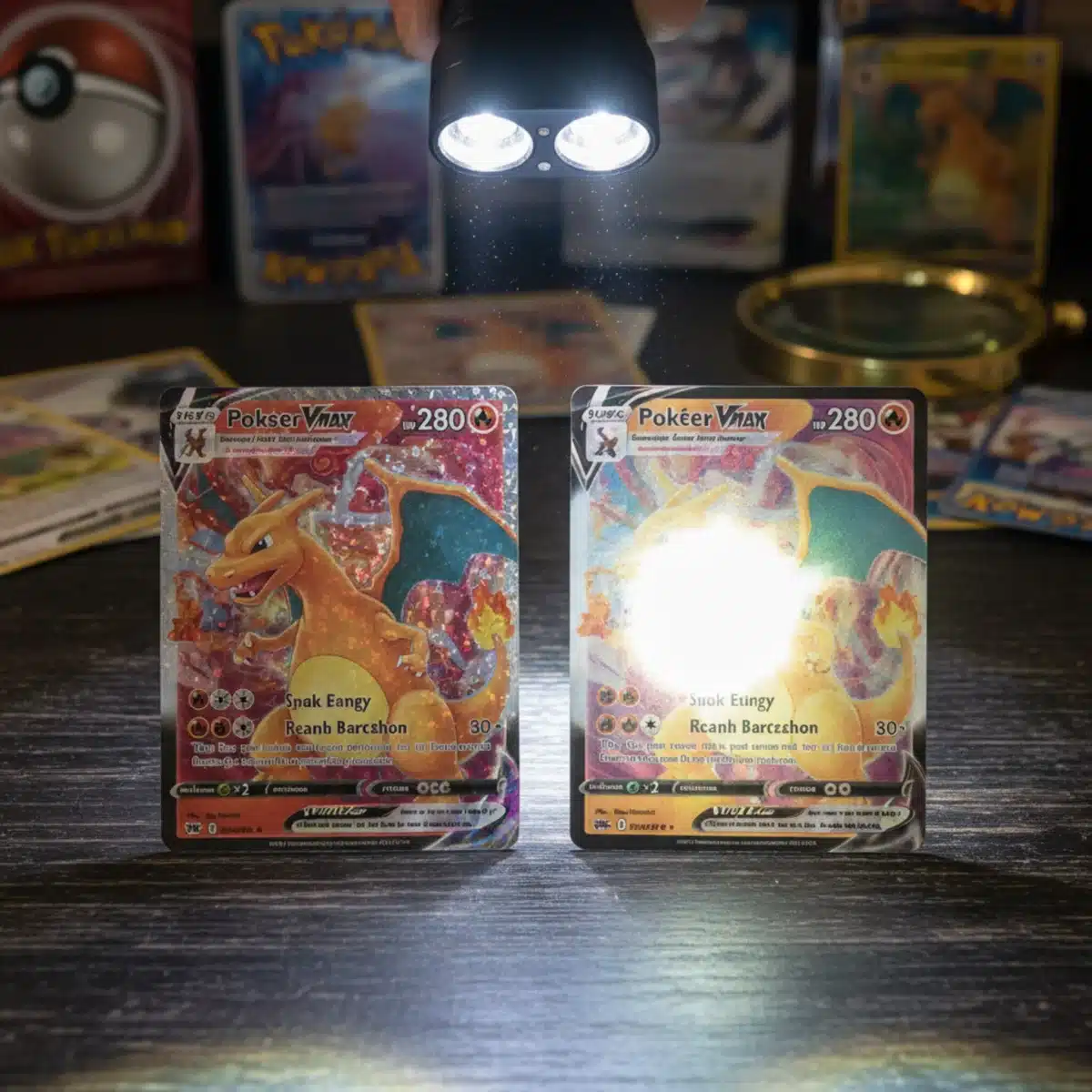
The light test is a non-destructive method that leverages the specific material properties of genuine Pokémon cards. Official cards are typically made with a black layer embedded between two white layers of paper, which affects how light passes through them. Counterfeit cards rarely replicate this intricate layering.
Performing the Light Test
Hold the card up to a strong light source, such as a flashlight or a bright lamp. A genuine Pokémon card will allow some light to pass through, but it will appear somewhat opaque due to the black layer. Fake cards often appear either too transparent or completely opaque, lacking the distinct light diffusion of an authentic card. Compare it directly with a known genuine card for best results.
The Rip Test (Use with Extreme Caution)
The rip test is a destructive method and should only be performed on a card you are absolutely certain is fake and are willing to destroy. This test involves carefully tearing the card to expose its internal layers. A genuine Pokémon card will reveal a thin black line or layer in the cross-section, indicative of its multi-layered construction. Fake cards will typically show only white paper throughout or a different, inconsistent layering.
It’s crucial to reiterate that the rip test permanently damages the card. Only undertake it if you are confident the card is counterfeit and you have no intention of keeping it or passing it off as genuine. For most collectors, the combination of visual, tactile, and light tests should be sufficient for authentication.
Back of the Card and Holographic Elements
The back of a Pokémon card and its holographic elements are often overlooked but provide critical clues for authentication. Counterfeiters frequently struggle to replicate the intricate details and specific color schemes found on the reverse side of official cards, as well as the unique shimmer of holographics.
The iconic blue and white Pokémon logo on the back of every card is a prime target for scrutiny. Genuine logos are always crisp, with specific shades of blue and white, and precise detailing. Any deviation in color, blurriness, or incorrect proportions can indicate a fake. The Pokeball design should also be perfectly symmetrical and well-defined.
Inspecting the Card Back
- Color Accuracy: Compare the blue and white shades on the back to a known genuine card. Fakes often have colors that are too dark, too light, or have an unnatural tint.
- Logo Clarity: The Pokémon logo and Pokeball design should be sharp and clear, not blurry or pixelated.
- Pattern Consistency: The faint swirl patterns or other background textures on the back should be consistent across genuine cards.
Holographic Card Authentication
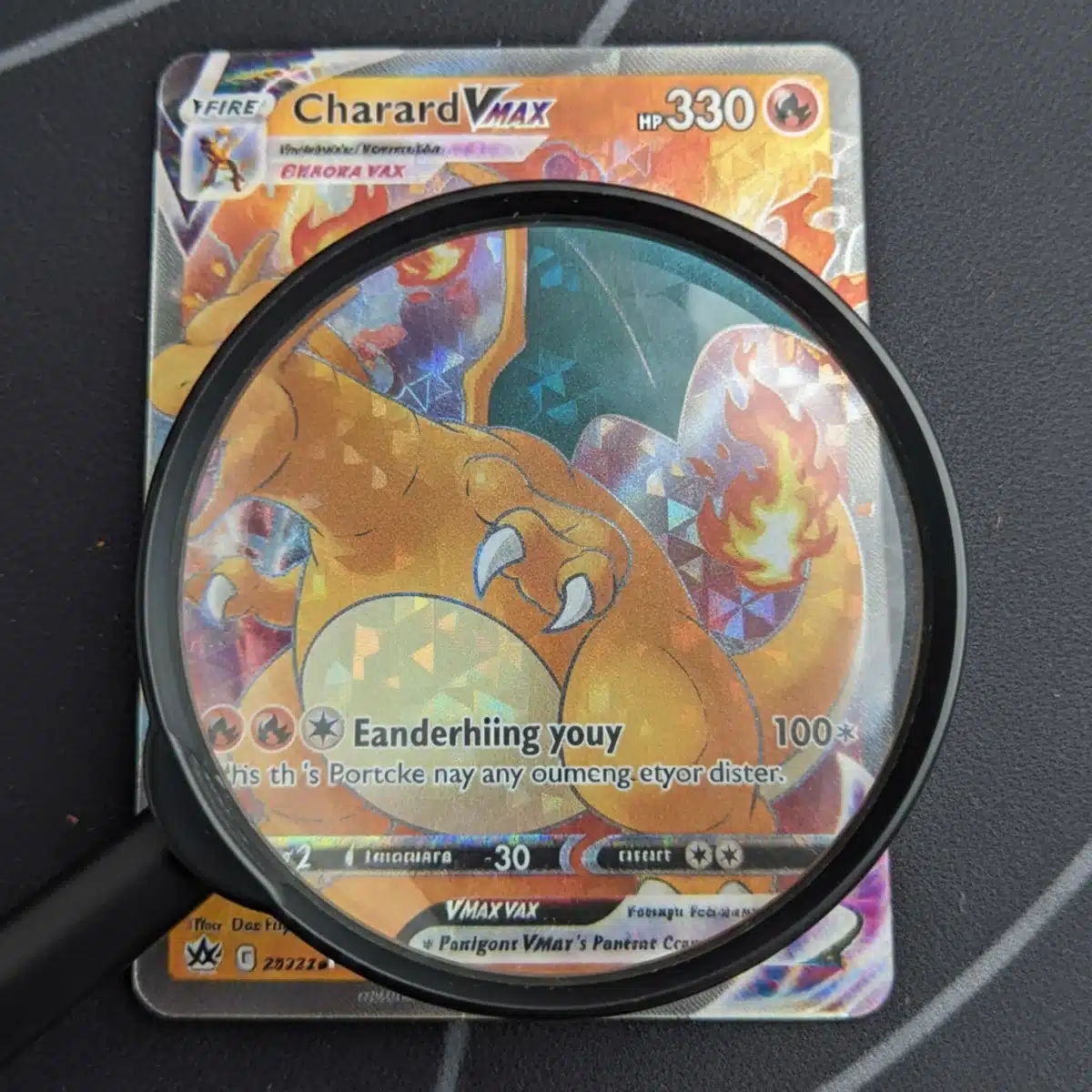
Holographic cards present a unique challenge and opportunity for authentication. Genuine holographic patterns are vibrant, multi-dimensional, and often feature specific patterns like stars, cosmos, or parallel lines, depending on the set and rarity. Fakes often have flat, dull, or incorrect holographic effects.
- Holo Pattern: Understand the specific holographic patterns for different sets and rarities. Fakes might use generic or incorrect patterns.
- Light Reflection: Genuine holographics reflect light dynamically, showing a spectrum of colors. Fakes might have a static, flat, or overly glittery appearance.
- Texture of Holo: Some holographic cards have a distinct texture that can be felt. Counterfeits rarely replicate this accurately.
These detailed examinations of the card’s reverse side and holographic elements are indispensable tools in your authentication arsenal, often revealing flaws that might be missed on the card’s front.
Seller Reputation and Buying Safely in 2025
In 2025, protecting your Pokémon TCG collection extends beyond just examining the cards themselves; it also involves smart purchasing practices and evaluating seller reputation. The online marketplace is rife with opportunities but also risks, making it essential to choose your sources wisely.
Always prioritize purchasing from reputable sources, whether online or in person. Established card shops, official retailers, and well-known hobby stores are generally safer bets than unknown sellers on auction sites or social media. A seller’s history and reviews can provide valuable insights into their trustworthiness.
Key Considerations for Safe Buying
- Verify Seller History: On online platforms, check the seller’s rating, feedback, and the duration of their activity. A long history with positive reviews is a good sign.
- Request More Information: Don’t hesitate to ask for additional photos or videos of the card from different angles, especially for high-value purchases.
- Beware of “Too Good to Be True” Deals: If a price seems unusually low for a rare card, it’s often a red flag for a counterfeit.
- Understand Return Policies: Ensure the seller or platform offers buyer protection and a clear return policy in case you receive a fake.
Building relationships with trusted local game stores and fellow collectors can also provide a reliable network for acquiring genuine cards and sharing authentication tips. In a constantly evolving market, vigilance and informed decision-making are your best allies.
Community Resources and Staying Updated
The Pokémon TCG community is a vast and invaluable resource for collectors seeking to authenticate cards and stay informed about counterfeiting trends. Leveraging these community-driven platforms and official channels can significantly enhance your ability to spot fakes in 2025.
Online forums, social media groups, and dedicated websites often have experienced collectors who can offer advice, share images of known fakes, and discuss the latest counterfeiting techniques. Participating in these communities allows you to learn from others’ experiences and contribute your own findings.
Utilizing Community and Official Resources
- Online Forums and Subreddits: Platforms like Reddit’s r/PokemonTCG or dedicated collecting forums are excellent for sharing photos of suspicious cards and getting opinions from experts.
- YouTube Channels and Blogs: Many content creators specialize in Pokémon TCG authentication, providing visual guides and updates on new fakes entering the market.
- Official Pokémon Company International (PCI) Resources: While PCI doesn’t typically provide direct authentication services for individual cards, their official product images and guidelines serve as the gold standard for comparison.
- Local Card Shops and Events: Attend local tournaments or meetups. Experienced shop owners and players can offer hands-on advice and help you compare cards with genuine examples.
Staying updated on new card releases, printing variations, and common counterfeiting targets is an ongoing process. Regular engagement with the community and continuous learning are crucial for maintaining a counterfeit-free collection. By working together, collectors can create a more secure and trustworthy environment for everyone.
| Authentication Method | Key Indicator of Authenticity |
|---|---|
| Visual Inspection | Crisp text, vibrant colors, correct font, symmetrical energy symbols. |
| Tactile (Feel) Test | Substantial card stock, smooth but not overly glossy surface, consistent flexibility. |
| Light Test | Opaque appearance with some light diffusion due to internal black layer. |
| Card Back & Holographics | Accurate blue/white colors, clear logo, specific vibrant holographic patterns. |
Frequently asked questions about fake Pokémon cards
In 2025, counterfeiters have become more sophisticated, often using higher-quality printing and materials. They focus on replicating holographic patterns and specific card textures more accurately. This evolution necessitates a more thorough inspection process, combining visual, tactile, and light tests, and staying updated with community insights on new fake types.
While less common, some advanced fake cards might attempt to mimic the internal black layer that causes the distinct light diffusion of genuine cards. However, they rarely achieve the exact opacity and light-passing characteristics. Comparing it side-by-side with a known genuine card during the light test remains the most reliable approach.
If you suspect a card is fake, first re-examine it using all available authentication methods. If you purchased it online, contact the seller and the platform’s support to report it and seek a refund. Inform your local card shop or community to alert others about the potential counterfeit. Do not attempt to sell or trade it as genuine.
No, not all misprinted cards are fake. Genuine cards can sometimes have manufacturing errors, which are often rare and can even increase their value to collectors. The key is to distinguish between a genuine factory error and the consistent flaws typically found in counterfeits, such as blurry text, incorrect fonts, or poor card stock quality.
The safest places to buy Pokémon cards are from official retailers, reputable local game stores, and well-established online vendors with strong positive reviews and buyer protection policies. Avoid unknown sellers on social media or auction sites unless you can thoroughly vet their history and the authenticity of their products.
Conclusion
Protecting your Pokémon TCG collection from counterfeits in 2025 requires a multi-faceted approach, combining sharp visual inspection, tactile examination, and advanced authentication techniques like the light test. The continuous evolution of counterfeiting methods means that staying informed, leveraging community resources, and practicing safe purchasing habits are more vital than ever. By diligently applying these strategies, collectors can confidently navigate the market, safeguard their valuable cards, and ensure that their passion for the Pokémon TCG remains untainted by fraudulent products.