
Advertisements
Foundation transfer occurs when makeup slides off your face onto clothing, skin, or surfaces due to excess oil, improper application, or lack of proper sealing. Preventing transfer requires a combination of proper skin prep, quality primers, correct application techniques, and strategic setting methods that create a durable barrier between your makeup and external surfaces.
You have probably experienced this frustrating scenario: you spend precious minutes perfecting your foundation, only to find it has migrated onto your collar, transferred to your phone screen, or smudged onto your pillowcase within hours. Stop foundation transfer by understanding the science behind why this happens and implementing professional techniques that keep your makeup locked in place for 12 hours or more. This comprehensive guide covers everything from skin preparation to advanced setting methods used by makeup artists in Hollywood and fashion capitals around the world.
Understanding Why Foundation Transfers
The first step to preventing foundation transfer is understanding what causes it. Foundation moves around because of friction, excess oil production, and improper adhesion to the skin’s surface. When your skin produces sebum throughout the day, it breaks down the bond between your foundation and your skin, causing the makeup to slide around and transfer to anything it touches.
Anúncios
Environmental factors also play a significant role. Humidity, heat, and physical contact all contribute to makeup migration. Whether you are hugging someone, adjusting your glasses, or resting your face on your hands while working, every touch creates friction that can compromise your foundation. Additionally, the type of foundation you use matters significantly. Silicone-based formulas tend to create a smoother finish but may not adhere as well as water-based options when faced with oily skin conditions.
Understanding your skin type becomes crucial in selecting the right products. Oily skin types face the biggest challenge because sebum acts as a natural solvent that breaks down makeup throughout the day. Dry skin can experience flaking and cracking, which also leads to uneven wear and potential transfer. Combination skin requires a balanced approach that addresses both oily zones and dry patches simultaneously.
Common Transfer Triggers
- Excess sebum production breaking down makeup bonds
- Friction from clothing, hands, or phone screens
- Inadequate priming allowing poor adhesion
- Humidity and heat compromising formula stability
- Improper powder application creating cakiness
By identifying these triggers, you can select targeted solutions that address each specific cause. The beauty industry has developed numerous products and techniques specifically designed to combat transfer, and understanding the underlying mechanisms helps you choose the right approach for your unique situation.
Anúncios
Preparing Your Skin for Long-Lasting Makeup
Clean, properly prepared skin provides the ideal canvas for long-lasting foundation application. The foundation you apply will only be as durable as the surface it adheres to, making skin preparation a critical first step in your transfer prevention strategy. Begin with a thorough cleanse using a gentle formula appropriate for your skin type, removing all traces of dirt, oil, and previous products.
Exfoliation plays a vital role in creating a smooth surface. Dead skin cells accumulate on the surface, creating microscopic peaks and valleys that interfere with even foundation application. When foundation sits on top of these uneven surfaces, it tends to rub off more easily. Use a gentle exfoliating scrub or chemical exfoliant once or twice weekly to maintain smooth skin texture without causing irritation.
Moisturizing serves dual purposes for long-lasting makeup. Well-hydrated skin prevents the flaking and cracking associated with dry skin, while also creating a protective barrier that helps makeup adhere more evenly. Allow your moisturizer to fully absorb before applying foundation, as sitting product creates slippage that leads to transfer. For oily skin, opt for lightweight, oil-free moisturizers that provide hydration without adding excess shine.
Essential Skin Prep Steps
- Cleanse thoroughly to remove oil and impurities
- Exfoliate weekly for smooth surface texture
- Apply appropriate moisturizer for your skin type
- Use a toner to balance skin pH and tighten pores
- Wait 5-10 minutes before foundation application
Consider incorporating a pore-minimizing primer immediately after moisturizing. These products fill in fine lines and enlarged pores, creating a uniform surface that foundation adheres to more effectively. The smoother the surface, the less opportunity for makeup to catch on rough patches and transfer elsewhere.
The Best Primers for Locking Foundation
Primer serves as the essential bridge between your skincare routine and your foundation, and selecting the right formula dramatically impacts how well your makeup stays in place. The market offers numerous options designed specifically for long-wear and transfer resistance, making it easier than ever to achieve all-day staying power.
Silicone-based primers create a protective barrier that seals skincare products underneath while providing a smooth surface for foundation application. These formulas fill in pores and fine lines, creating the illusion of perfect skin while helping foundation adhere more evenly. Look for ingredients like dimethicone and cyclopentasiloxane, which provide that silky-smooth finish professionals love.
Water-based primers work exceptionally well for those with oily skin or those who prefer lighter textures. These formulas absorb quickly and do not add extra shine to already oily skin. They still provide excellent adhesion properties, helping foundation bond to the skin more effectively than applying directly on bare skin.
Choosing the Right Primer Formula
- Silicone primers for pore filling and smooth finish
- Water-based primers for oily skin and lightweight feel
- Mattifying primers for controlling shine throughout the day
- Hydrating primers for dry or mature skin types
- Color-correcting primers for addressing specific skin concerns
Application technique matters just as much as product selection. Apply primer in thin, even layers using patting motions rather than rubbing. Allow the primer to set for one to two minutes before applying foundation, giving it time to bond with the skin and create that protective barrier you need for transfer resistance.
Application Techniques That Prevent Transfer
How you apply your foundation directly impacts its durability. The wrong technique can compromise even the best products, while proper application methods maximize staying power and minimize transfer. Understanding these techniques separates those who struggle with fading makeup from those who enjoy flawless coverage all day.
Patting and pressing rather than rubbing creates better adhesion to the skin. When you rub foundation, you create friction that weakens the bond between the product and your skin surface. Instead, use a damp sponge or brush to press and pat the product into the skin, allowing it to settle into the pores and fine lines for maximum coverage and longevity.
Building thin layers proves more effective than applying one thick coat. Multiple thin layers allow each layer to set properly, creating a more durable surface than one heavy application that never fully dries. This approach also provides better coverage control, allowing you to build to your desired level of coverage without compromising staying power.
Professional Application Methods
- Use damp sponge for pressing technique
- Apply in thin, buildable layers
- Allow each layer to set before adding more
- Focus on areas prone to transfer first
- Blend thoroughly along jawline and hairline
Pay special attention to areas prone to transfer, including the nose, forehead, and cheeks. These areas produce more oil and experience more friction throughout the day. Applying slightly more product or an extra layer in these zones provides additional protection against the inevitable breakdown that occurs throughout the day.
Setting and Sealing Your Foundation
The final step in creating transfer-resistant makeup involves setting and sealing your foundation properly. This critical phase locks everything in place, creating a durable barrier that withstands friction, oil, and environmental factors throughout your busy day.
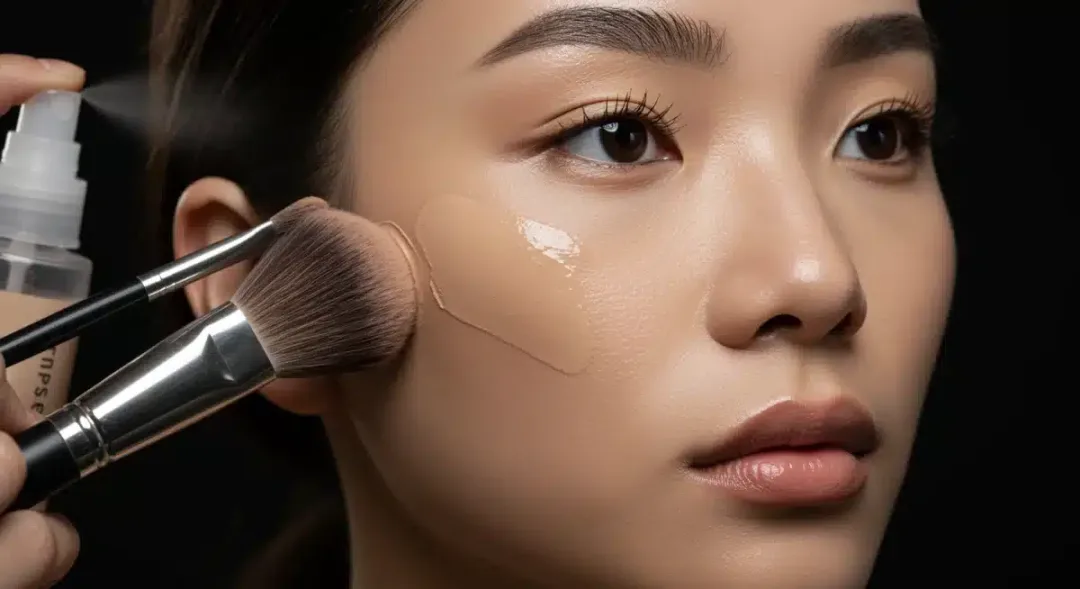
Setting powder remains the gold standard for long-lasting foundation. These products absorb excess oil and create a matte surface that resists transfer. Apply powder immediately after foundation while the product is still slightly tacky, using a fluffy brush to press the powder into the skin rather than sweeping it across. This pressing motion ensures the powder gets into every pore and fine line, creating that locked-in finish.
Setting spray provides the ultimate seal for your hard work. These products contain polymers and film-forming agents that create an invisible protective layer over your makeup. Mist the spray in an X motion about six inches from your face, allowing it to dry naturally without touching your skin. The result is a transfer-resistant barrier that keeps your makeup intact even through long days and unexpected encounters.
Setting Product Types
- Translucent powder for universal matte finish
- Tinted powder for light coverage and setting
- Setting spray for overall seal and refresh
- Long-wear setting spray for extra durability
- Matte setting spray for controlling shine
For those with especially oily skin or those preparing for particularly demanding days, consider the sandwich technique. Apply primer, then foundation, then a light layer of powder, then another thin layer of foundation, and finish with another light dusting of powder and setting spray. This creates multiple layers of protection that resist breakdown even in challenging conditions.
Troubleshooting Common Transfer Issues
Despite your best efforts, transfer may still occur in certain situations. Understanding how to troubleshoot these issues helps you make quick adjustments and maintain your polished appearance throughout any situation.
If transfer continues to be a problem, evaluate your skincare routine. Heavy creams or oils applied too close to makeup time create slippage that compromises adhesion. Try using lighter moisturizers or applying them the night before rather than immediately before makeup application. Also consider using oil-absorbing sheets throughout the day to manage excess sebum before it breaks down your makeup.
Product incompatibility can also cause transfer issues. Some foundations simply do not play well with certain primers or setting products. If you experience consistent transfer despite proper technique, try switching out one product at a time to identify the culprit. Sometimes simply changing your primer or switching to a different foundation formula resolves persistent issues.
Quick Fixes for Transfer Problems
- Blot excess oil with oil-absorbing sheets
- Touch up with pressed powder in affected areas
- Reapply setting spray for instant refresh
- Check for product incompatibility issues
- Adjust skincare products underneath makeup
Temperature and humidity affect makeup performance significantly. In hot, humid conditions, switch to longer-wearing formulas and increase the amount of setting powder and spray you use. In cold, dry conditions, ensure your skin stays properly hydrated to prevent flaking that leads to patchy wear and increased transfer.
Conclusion
Achieving transfer-resistant foundation that lasts 12 hours or more requires attention to every step of your makeup routine. From proper skin preparation to strategic product selection, each element contributes to the overall durability of your look. By understanding why transfer occurs and implementing the techniques outlined in this guide, you can enjoy flawless foundation that stays exactly where you put it, regardless of what your day brings. Remember that practice makes perfect, and adjusting these techniques to match your unique skin type and lifestyle will help you achieve the long-lasting, transfer-free foundation you have always wanted.
| Key Point | Brief Description |
|---|---|
| Skin Preparation | Clean, exfoliated, and moisturized skin provides the ideal canvas for long-lasting foundation adhesion. |
| Primer Selection | Silicone or water-based primers create a protective barrier that helps foundation bond to the skin effectively. |
| Application Method | Patting and pressing rather than rubbing creates better adhesion and prevents makeup from sliding off. |
| Setting Techniques | Setting powder and setting spray create a durable barrier that resists friction, oil, and environmental factors. |
Frequently Asked Questions
What causes foundation to transfer onto clothing?▼Foundation transfers when excess sebum breaks down the makeup bond, creating friction that causes the product to slide onto surfaces. Improper application, inadequate priming, and lack of proper setting all contribute to this problem. Environmental factors like humidity and heat accelerate the breakdown process, making transfer more likely throughout the day.
How can I make my foundation last 12 hours without transfer?▼Start with proper skin preparation including cleansing, exfoliating, and moisturizing. Apply a quality primer suited to your skin type, then use thin layers of foundation with patting motions. Set with translucent powder while the foundation is still slightly tacky, then seal everything with a setting spray. This combination creates multiple protective barriers that resist breakdown and transfer throughout the day.
Is silicone or water-based primer better for preventing transfer?▼Both types work effectively, but serve different purposes. Silicone primers fill in pores and create an ultra-smooth surface that foundation adheres to beautifully. Water-based primers work well for oily skin and provide lightweight hydration without adding shine. Choose based on your skin type and texture preferences, as both can effectively prevent transfer when applied correctly.
Can I use setting powder and setting spray together?▼Absolutely. Using both products together provides the ultimate seal for your makeup. Apply setting powder first to absorb excess oil and create a matte surface, then mist with setting spray to lock everything in place. This combination works especially well for those with oily skin or for special events where you need your makeup to last all day and night without touch-ups.
What should I do if my foundation keeps transferring despite using these tips?▼If transfer persists, evaluate your entire routine systematically. Check for product incompatibility by switching out one product at a time. Ensure your skincare products are fully absorbed before applying makeup. Consider using oil-absorbing sheets throughout the day to manage sebum before it breaks down your foundation. You may also benefit from switching to longer-wear or matte foundation formulas specifically designed for problematic skin.
Conclusion
Stopping foundation transfer requires a comprehensive approach that addresses every step of your makeup routine. By understanding the causes of transfer and implementing proper skin preparation, quality primers, correct application techniques, and effective setting methods, you can achieve all-day coverage that stays exactly where it belongs. The investment in learning these techniques pays off with consistently flawless makeup that looks fresh from morning until night, regardless of your daily activities or environmental conditions.