
How Surge Protectors Work and What Joule Ratings Mean
Advertisements
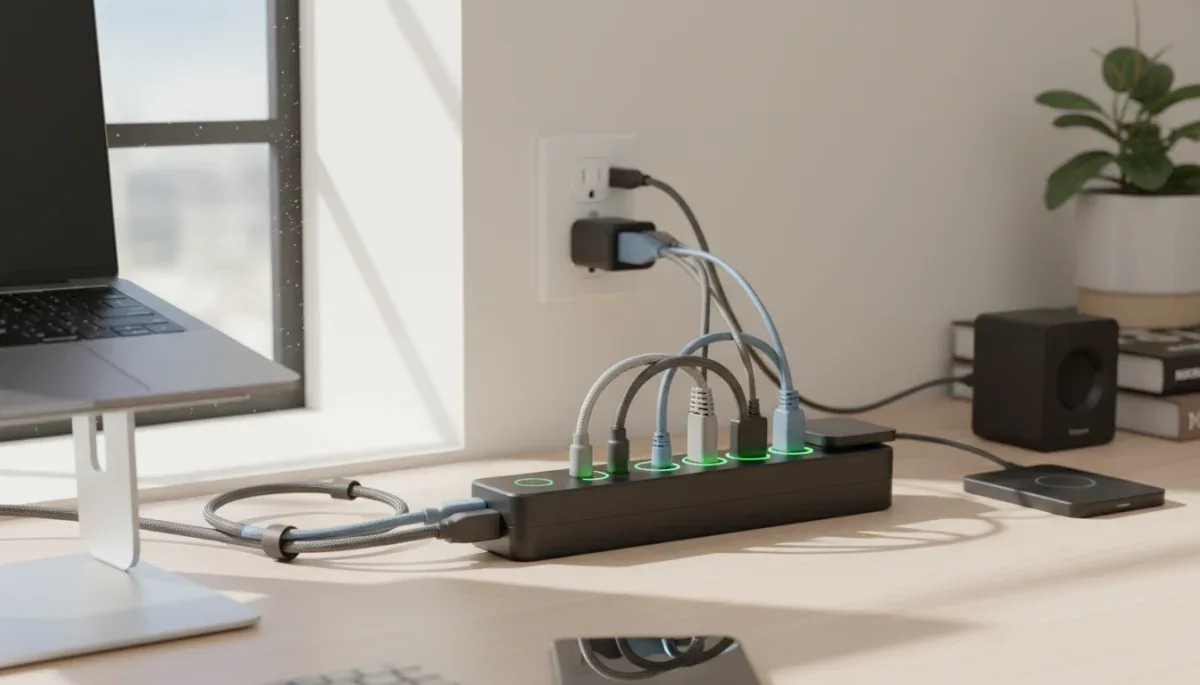
A surge protector prevents electrical damage by detecting excess voltage on a power line and instantly routing that surplus energy into a ground wire before it reaches connected electronics. It acts as an automatic pressure valve for electricity, ensuring that sudden spikes do not overwhelm delicate circuitry inside your appliances and devices.
This protection helps homeowners and renters safeguard valuable hardware, from desktop computers to high-definition televisions, but the catch is that surge protection is finite and gradually wears out over time. Every small transient electrical spike depletes the protector's internal components until the unit can no longer absorb energy, requiring users to pay close attention to safety ratings and replacement cycles.
The difference between a standard power strip and a surge protector
Many consumers mistake any multi-outlet device for a protective unit, but a conventional power strip and a dedicated surge protector serve entirely different functions. A basic power strip functions solely as an electrical splitter, expanding a single wall receptacle into multiple outlets without providing any defense against voltage fluctuations. If a high-voltage spike travels through an outlet into a standard power strip, every connected device receives that full surge directly.
Anúncios
In contrast, a certified surge protector contains internal components specifically engineered to regulate electrical flow. It constantly monitors incoming current and responds within nanoseconds when voltage climbs above safe operating parameters. While standard power strips are suitable for simple, non-sensitive items like incandescent desk lamps or mechanical fans, valuable microelectronics require the specialized circuitry built only into true surge protection devices.
How metal oxide varistors divert dangerous voltage spikes
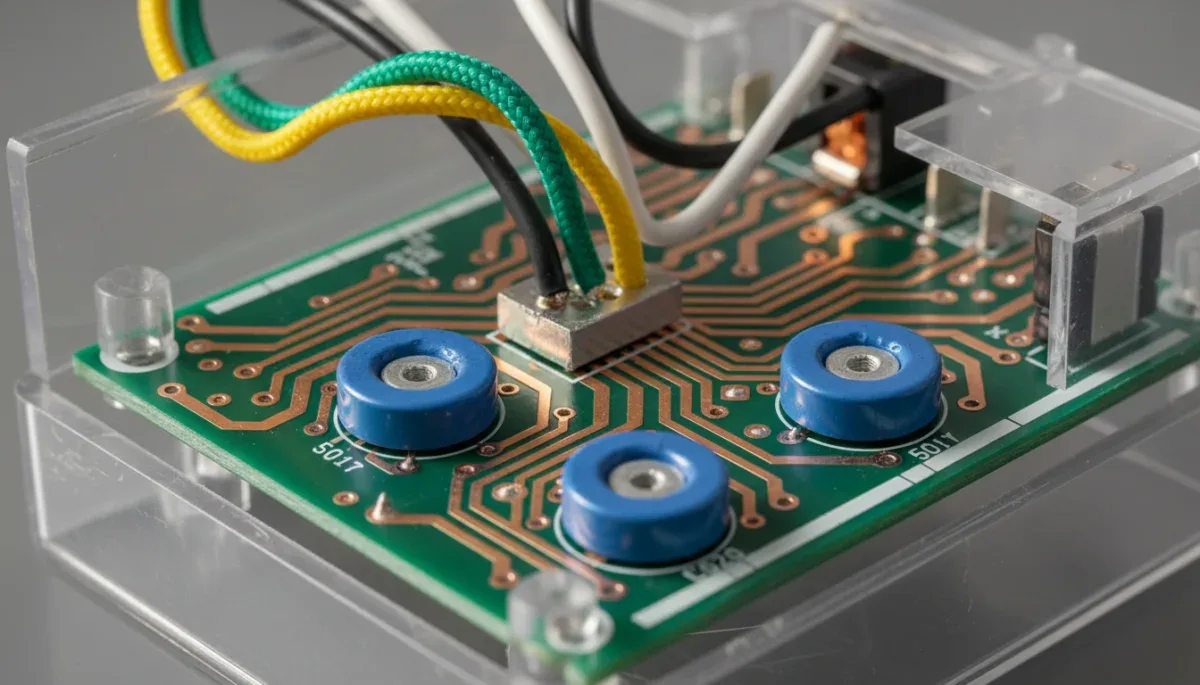
The core component inside most residential surge protectors is a small component called a Metal Oxide Varistor, commonly abbreviated as an MOV. An MOV sits between the hot power line and the ground line inside the chassis. Under normal operating conditions at standard residential alternating current, the varistor maintains high electrical resistance, allowing normal current to pass straight to your plugged-in devices without interruption.
When voltage exceeds acceptable operating levels, the resistance inside the varistor drops almost instantaneously. This sudden drop creates an alternate path of least resistance, channeling the excess voltage away from the hot wire and safely discharging it into the ground wire. Once the electrical transient passes and voltage returns to normal levels, the varistor returns to its high-resistance state, ready for the next event.
Anúncios
Understanding joule ratings and energy absorption capacity
A joule rating is a unit of measurement that indicates the total cumulative amount of energy a surge protector can absorb before its internal components fail. Joules represent electrical energy over time, where one joule equals one watt of power dissipated for one second. Because power surges vary in intensity, a protector's joule capacity can be consumed by a single massive surge or gradually worn down by hundreds of tiny, imperceptible voltage spikes from everyday appliance cycling.
Higher joule numbers directly correlate with longer product lifespan and greater safety margins. A device rated for 2,000 joules can endure ten separate 200-joule spikes, two 1,000-joule spikes, or one single 2,000-joule event before its protective barrier gives out. Once that total threshold is exhausted, the varistors inside can no longer divert current, leaving downstream hardware vulnerable unless the unit features an automatic disconnect safety mechanism.
Matching joule ratings to specific home electronics
Selecting the correct surge protector requires matching the unit's energy absorption rating to the monetary value and sensitivity of the equipment you intend to connect. Using an entry-level protector on complex electronics leaves expensive hardware exposed to premature component failure.
Recommended rating ranges by equipment category
- Under 1,000 joules: Suitable for basic household items with minimal circuitry, such as blenders, floor lamps, alarm clocks, and basic power tools.
- 1,000 to 2,000 joules: Appropriate for mid-tier consumer electronics, including standard laptops, soundbars, streaming devices, network routers, and mid-sized smart televisions.
- Over 2,000 joules: Essential for high-value equipment such as custom gaming computers, home theater receivers, professional audio gear, and major smart appliances.
Clamping voltage and response time explained
While joule capacity measures total durability, two other specifications define a surge protector's performance: clamping voltage and response time. Clamping voltage, listed on packaging under Underwriters Laboratories standard UL 1449 as the Voltage Protection Rating, is the specific voltage threshold that triggers the device to divert excess power. Standard residential power runs at approximately 120 volts, and typical clamping ratings are 330, 400, or 500 volts. A lower clamping voltage provides tighter protection because the device reacts earlier in the spike.
Response time refers to the delay between the occurrence of a voltage spike and the moment the varistor activates to divert current. High-quality protectors feature response times under one nanosecond. Because electrical surges travel at exceptional speeds, a slow response time allows a portion of the dangerous voltage wave to strike connected electronics before the diverter engages.
Recognizing when a surge protector has reached end of life
Because internal varistors degrade silently, users cannot determine a unit's operational status by whether it still delivers power to connected plugs. Most modern protectors include diagnostic light-emitting diodes labeled with terms like Protected or Grounded. When the internal varistor degrades past its functional limit, the indicator light extinguishes, signaling that the device has lost its surge-suppression capabilities.
Better-designed units incorporate an automatic shutoff feature that permanently cuts power to all receptacles once protection is compromised, forcing the user to replace the unit. Budget models, however, may continue passing standard wall power indefinitely after protection fails, functioning as an unshielded power strip without any visual or mechanical warning.
At a glance
| Specification | What to know |
|---|---|
| Joule rating | Measures total cumulative energy absorption before internal protection fails. |
| Clamping voltage | The voltage threshold that triggers the unit to divert excess electricity. |
| Response time | The speed at which components react, ideally under one nanosecond. |
| Protection light | An active indicator confirming the internal varistors remain fully functional. |
Frequently asked questions
Does a surge protector protect against direct lightning strikes?
No consumer surge protector can withstand a direct lightning strike. Direct strikes carry millions of volts that easily jump across physical circuits and open switches. Unplugging sensitive equipment during severe electrical storms remains the only foolproof defense against direct strikes.
Can you daisy chain surge protectors together?
No, you should never connect one surge protector into another. Daisy chaining creates serious fire hazards, overloads wall circuits, and violates the manufacturer's warranty and standard electrical safety codes established by the National Electrical Code and Occupational Safety and Health Administration.
How often should a home surge protector be replaced?
Most manufacturers recommend replacing surge protectors every three to five years under normal conditions. However, if your area experiences frequent thunderstorms or power outages, or if the unit's diagnostic light turns off, replace the device immediately regardless of its age.
What does a low clamping voltage mean for electronic safety?
A lower clamping voltage means the protector activates at a lower spike threshold, preventing higher voltage amounts from reaching your equipment. Look for a UL 1449 rating of 330 or 400 volts for maximum protection of delicate microprocessors.
The bottom line
A reliable surge protector safeguards your household electronics by instantly shunting excess voltage safely into the electrical grounding line. To ensure adequate defense, invest in units with joule ratings above 2,000 for sensitive electronics and confirm that the model displays a certified UL 1449 safety listing. Before purchasing, check the manufacturer's packaging to verify that the unit includes both an active protection indicator light and an automatic shutdown fail-safe feature.
Written by
Rita Luiza
Rita Luiza writes about news & benefits, fashion & beauty and tech & gadgets for newepisody.com. Each article explains how things work, compares published details such as prices, policies and program rules, and points readers to the official source before they decide.